Mayumiotero – Emotion Recognition is rapidly transforming from a theoretical concept into one of the most influential tools in modern technology. As artificial intelligence becomes more integrated into daily life, machines are beginning to interpret human emotions with increasing accuracy. This shift not only changes how we communicate with technology but also how organizations understand behavior, intention, and user experience. From marketing to mental health screening, Emotion Recognition is carving out new pathways and raising new ethical questions along the way.
“Read also: Inside the Minds of AI Leaders: How a Small Group Is Rewriting the Rules of Business“
The Science Behind Emotion Recognition and How Machines Learn to Read Faces
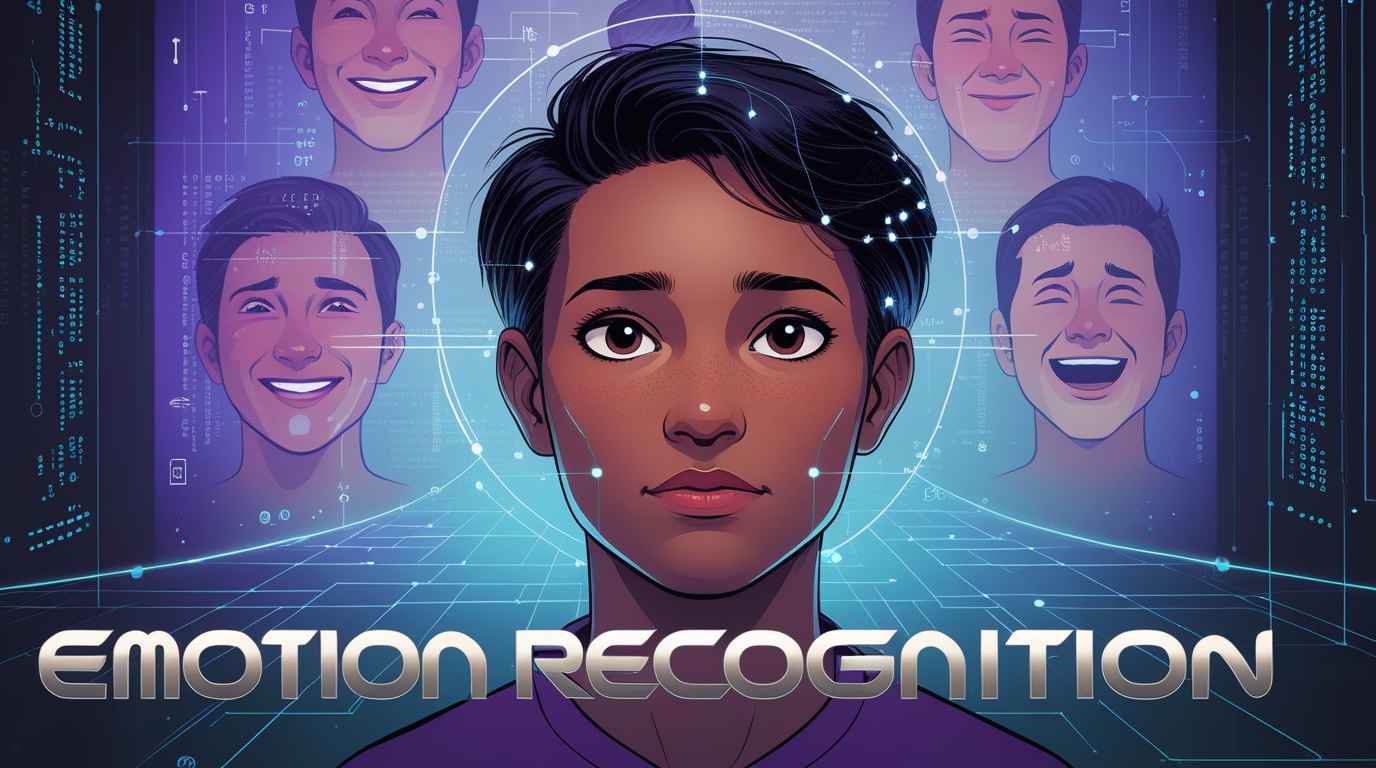
Emotion Recognition relies on a combination of computer vision, deep learning, and behavioral psychology. The system captures an image or video of a face, then analyzes micro-expressions tiny involuntary movements that reflect emotional states. Through massive datasets and neural networks, AI models learn patterns associated with joy, fear, sadness, anger, or even more subtle emotions such as confusion or boredom. As the technology evolves, these models become increasingly sophisticated, suggesting a future in which digital systems understand emotional cues almost as well as humans do.
Why Facial Features Serve as a Universal Emotional Language
Although cultures express emotions differently, facial cues remain one of the most universal communication tools. Researchers consistently find that people across the world recognize core emotions with similar accuracy. This universality is what makes Emotion Recognition compelling for global applications. However, cultural nuances also matter, because a smile can signify happiness in one context but polite discomfort in another. Considering these nuances, developers must incorporate diverse training data so the technology does not misinterpret emotion based on limited cultural perspectives.
The Growing Use of Emotion Recognition in Commercial Industries
Businesses are adopting Emotion Recognition faster than ever. Retailers use it to observe customer reactions, streaming platforms examine viewer engagement, and automotive companies integrate it to detect driver fatigue. Moreover, the education sector is experimenting with emotional analytics to understand learning patterns and student stress. These applications reveal how deeply emotion affects decision-making, and they highlight why organizations view Emotion Recognition as a powerful strategic tool.
How Emotion Recognition Supports Mental Health Innovation
In recent years, psychologists and health-tech developers have collaborated to explore Emotion Recognition as an early detection mechanism for mental health challenges. Subtle shifts in expression such as reduced eye contact or slower facial movement can indicate emotional distress. When used responsibly, this technology may help identify anxiety, depression, or cognitive disorders earlier than traditional methods. Even so, strong ethical frameworks must guide its use to ensure that sensitive emotional data is not misused or interpreted without proper human oversight.
“Read also: Instacart’s Agentic Checkout in ChatGPT: A New Era of Seamless Shopping“
Ethical Debates Surrounding the Future of Emotion Recognition
Despite its benefits, Emotion Recognition raises serious concerns. Privacy advocates warn that emotional data is sensitive and can be exploited if not regulated. Additionally, inaccuracies can lead to biased assessments, especially when models are trained on non-diverse datasets. These issues push researchers, policymakers, and technologists to rethink guidelines that safeguard user autonomy. In my opinion, Emotion Recognition should prioritize transparency, consent, and accuracy before it becomes widely adopted in sensitive environments.
Balancing Human Intuition and Machine Interpretation
One of the most fascinating aspects of Emotion Recognition is how it attempts to replicate a uniquely human skill: reading emotions. Yet emotion is subjective, contextual, and deeply personal. Machines can identify patterns, but they cannot fully understand intent or lived experience. Therefore, Emotion Recognition should complement human judgment rather than replace it. Used collaboratively, it may enhance empathy-driven fields such as education, healthcare, and customer service.
The Future of Emotion Recognition and Its Role in Human-AI Interaction
As AI systems advance, Emotion Recognition will likely become a cornerstone of more intuitive human-machine interaction. Devices may soon adapt their tone, interface, or behavior based on the user’s emotional state. This evolution could create more humane technology, but only if developers embed ethical safeguards and cultural sensitivity. Ultimately, Emotion Recognition offers extraordinary potential yet its impact depends on how carefully and responsibly it is developed.