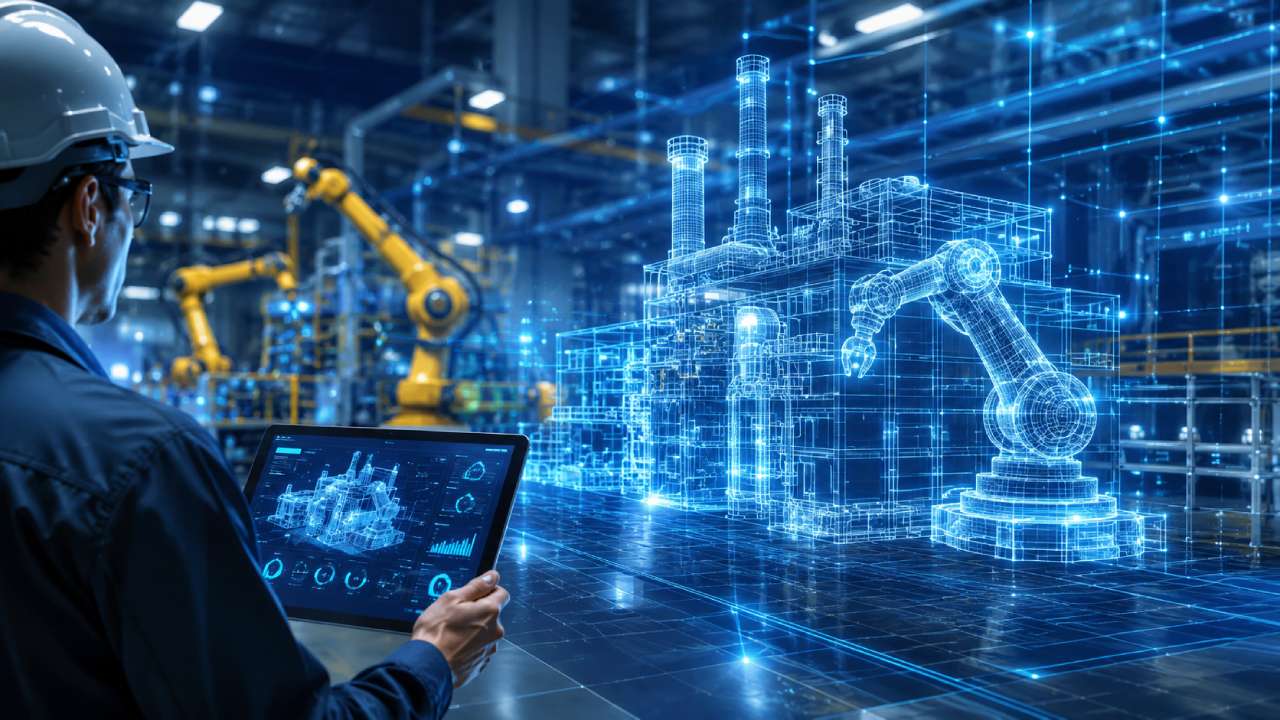
Mayumiotero – Digital Twin is a technology that creates a virtual representation of a physical object, system, or process. This digital model continuously receives information from real-world sensors and connected devices. As a result, users can monitor conditions and performance in real time. Although the concept has existed for years, its adoption has accelerated as businesses seek better ways to understand complex operations. Today, Digital Twin is recognized as a powerful tool that bridges the gap between the physical and digital worlds. Consequently, many industries are exploring its potential to improve efficiency and decision-making.
Read Also: Huawei Unveils HarmonyOS 7 with iPhone-Like Design and Smarter AI Features
Why Real-Time Data Visualization Matters
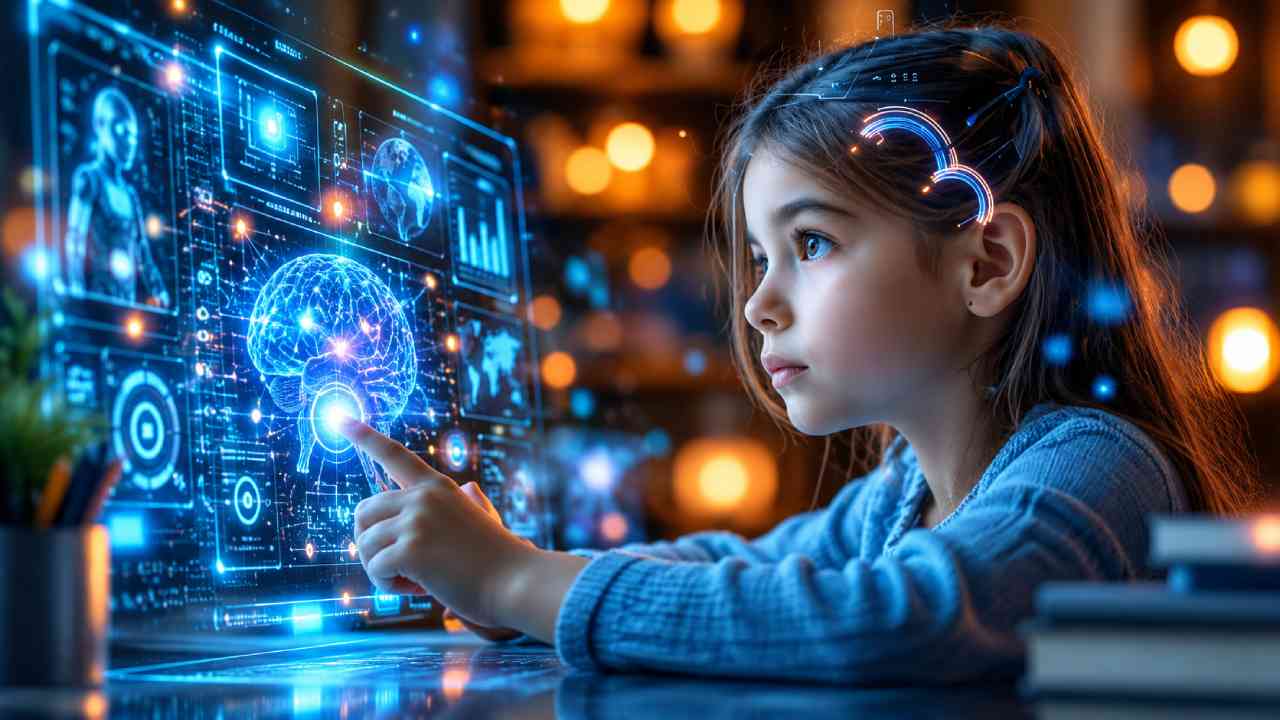
Modern organizations generate enormous amounts of data every day. However, raw data alone has limited value unless it can be understood quickly. Therefore, real-time visualization plays an important role. Digital Twin transforms streams of information into interactive models that are easier to interpret. Instead of reviewing long spreadsheets, users can instantly see operational conditions through visual dashboards. Moreover, visual data often reveals patterns that might otherwise go unnoticed. Because of this advantage, businesses can react faster and make more informed decisions.
How Digital Twin Works in Practice
The operation of Digital Twin relies on several connected technologies. Sensors collect information from physical assets and send it to cloud-based platforms. Next, the system updates the virtual model using incoming data. Consequently, the digital version reflects current conditions with remarkable accuracy. In many cases, artificial intelligence and analytics tools further enhance the process. These technologies identify trends, predict future scenarios, and generate useful recommendations. As a result, organizations gain deeper insights than traditional monitoring systems can provide.
Digital Twin in Manufacturing Industries
Manufacturing remains one of the most significant areas for Digital Twin adoption. Factories use this technology to monitor machinery, production lines, and equipment performance. Furthermore, managers can identify inefficiencies before they become costly problems. For example, a machine showing unusual vibration patterns may indicate a future failure. Through Digital Twin, maintenance teams receive early warnings and can act immediately. Consequently, downtime decreases while productivity improves. This proactive approach helps manufacturers save resources and maintain operational stability.
Supporting the Development of Smart Cities
Beyond manufacturing, Digital Twin also contributes to the growth of smart cities. Urban planners use digital models to visualize transportation networks, energy consumption, and public infrastructure. In addition, real-time data allows authorities to respond more effectively to changing conditions. For instance, traffic congestion can be analyzed and managed through digital simulations. Similarly, city officials can evaluate infrastructure performance without disrupting daily activities. Therefore, Digital Twin supports smarter planning and better resource allocation for urban environments.
Read Also: The Art of Clay: Turning Earth into Beautiful Everyday Creations
Improving Decision-Making Through Simulation
One of the most valuable features of Digital Twin is its ability to simulate different scenarios. Instead of making decisions based solely on assumptions, organizations can test potential outcomes within a virtual environment. This capability reduces uncertainty and supports strategic planning. Moreover, simulations help businesses evaluate risks before implementing major changes. From an operational perspective, this leads to more confident decision-making. Consequently, Digital Twin has become a trusted resource for organizations seeking greater accuracy and efficiency.
Challenges in Implementing Digital Twin
Despite its advantages, implementing Digital Twin can present challenges. Organizations must invest in sensors, connectivity, and data management systems. Additionally, maintaining accurate and secure data streams requires careful planning. Cybersecurity is another important consideration because connected systems may become targets for attacks. Furthermore, integrating data from multiple sources can be complex. Nevertheless, many companies view these challenges as worthwhile investments because of the long-term benefits. As technology advances, implementation is expected to become more accessible and cost-effective.
The Future of Digital Twin Technology
The future of Digital Twin appears highly promising. As Internet of Things devices become more widespread, the amount of available real-time data will continue to increase. At the same time, advances in artificial intelligence will enhance predictive capabilities. Consequently, Digital Twin systems are expected to become smarter and more autonomous. Many experts believe this technology will play a central role in industries ranging from healthcare to transportation. Ultimately, Digital Twin is more than a visualization tool. It is a strategic technology that helps organizations understand, predict, and optimize operations in an increasingly digital world.