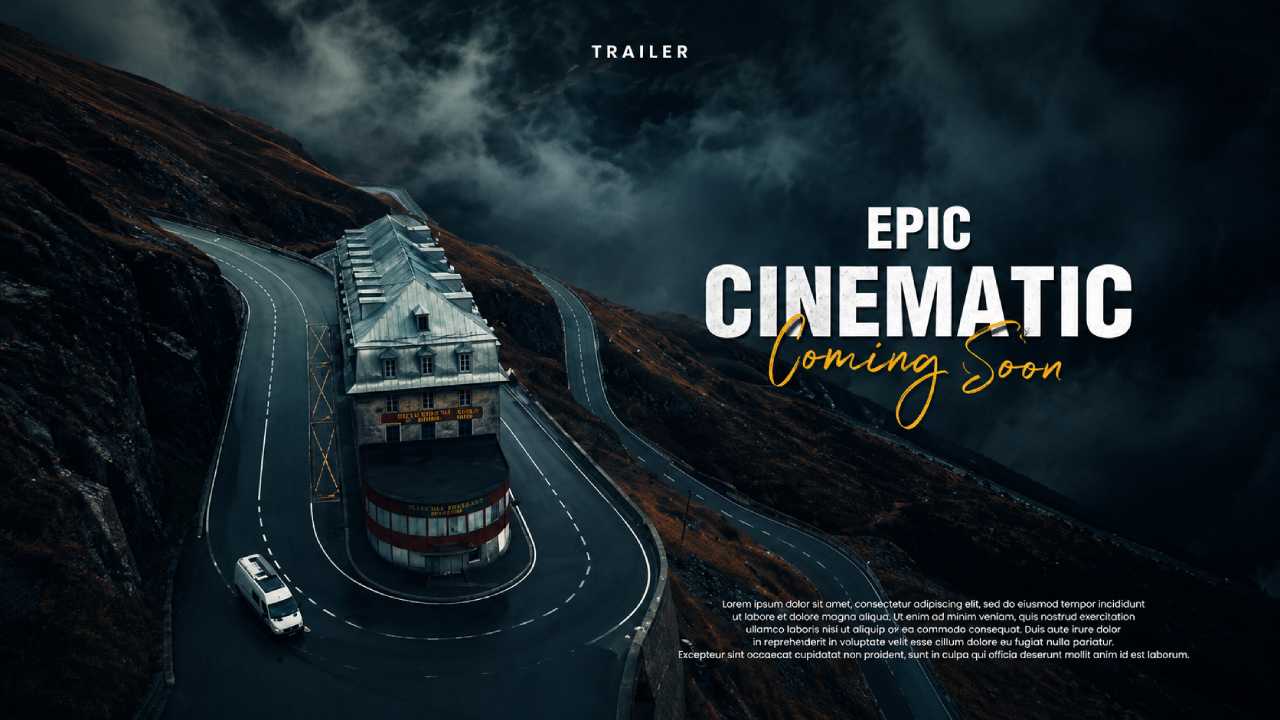
Mayumiotero – Many people ask, “What Is Cinematic Design?” because they often notice certain visuals feel more powerful than others. While some images simply display information, cinematic design creates emotion and tells a story. As a result, viewers spend more time looking at the content and become more interested in the message behind it. In today’s digital landscape, attention is a valuable asset. Therefore, designers, marketers, and media publishers increasingly rely on cinematic principles to make their content stand out. Whether it appears in a website banner, social media campaign, YouTube thumbnail, or online article, cinematic design helps transform ordinary visuals into memorable experiences. More importantly, it creates a connection between the audience and the content. That connection often determines whether someone keeps scrolling or decides to engage.
Read Also: Smartest AI Models 2026: AI IQ Scores Now Surpass the Average Human
Understanding the Meaning of Cinematic Design
Cinematic design refers to a visual approach inspired by filmmaking techniques. Instead of focusing only on aesthetics, it aims to create atmosphere, emotion, and narrative. In other words, every visual element serves a purpose beyond decoration. Lighting, composition, color grading, and perspective work together to guide the viewer’s attention. Consequently, the audience feels as if they are witnessing a scene from a movie rather than looking at a static image. This approach has become increasingly popular because digital audiences respond strongly to emotional storytelling. Moreover, cinematic design encourages viewers to imagine what happened before and what might happen next. That sense of curiosity keeps people engaged. For brands and publishers, this advantage can significantly improve user interaction and content performance.
Why Cinematic Design Feels More Emotional
One reason cinematic design succeeds is its ability to trigger emotional responses. Human beings naturally react to visual cues that resemble real-life experiences. Therefore, dramatic lighting, expressive environments, and meaningful compositions can evoke feelings without using words. For example, a lonely road under a stormy sky may suggest mystery or uncertainty. Meanwhile, a warm sunset can communicate hope and inspiration. Because emotions influence decision-making, these visual techniques often improve engagement rates. Furthermore, audiences tend to remember content that makes them feel something. Rather than presenting information in a flat manner, cinematic design adds emotional depth. As a result, viewers form stronger connections with the content and are more likely to return in the future.
The Power of Lighting in Cinematic Visuals
Lighting plays a crucial role in cinematic design. In fact, many professional designers consider it the foundation of visual storytelling. Bright areas naturally attract attention, while shadows create mood and depth. Consequently, strategic lighting can influence how people interpret a scene. For instance, soft golden light often creates feelings of comfort and nostalgia. On the other hand, dark shadows may introduce suspense and tension. Because lighting shapes perception, it helps communicate messages without relying on text. Moreover, modern digital tools allow creators to enhance lighting effects with remarkable precision. This flexibility enables brands to maintain consistent visual identities while still delivering emotional impact. Therefore, lighting remains one of the most powerful elements in cinematic design.
How Composition Guides Viewer Attention
Composition determines how visual elements are arranged within a frame. Although viewers may not consciously notice it, composition strongly influences where their eyes travel. Effective cinematic design uses techniques such as leading lines, framing, and depth to direct attention. As a result, audiences naturally focus on the most important part of the image. Furthermore, balanced composition creates harmony, while asymmetrical layouts can generate tension and excitement. Filmmakers have used these principles for decades because they help tell stories visually. Today, digital designers apply the same methods to online content. Consequently, a well-composed image often feels more professional and engaging than a cluttered design. Even subtle adjustments can dramatically improve visual communication.
Color Psychology and Cinematic Storytelling
Colors play a significant role in shaping audience perception. Therefore, cinematic design carefully selects color palettes to support specific emotions and themes. Blue tones often communicate mystery, trust, or isolation. Meanwhile, warm orange tones can suggest energy, comfort, and optimism. Similarly, red frequently represents passion, urgency, or danger. Because colors influence mood almost instantly, they become powerful storytelling tools. In cinematic design, color grading helps create a consistent emotional atmosphere throughout the visual experience. Moreover, carefully chosen color schemes improve brand recognition and strengthen message delivery. As digital competition continues to increase, using color strategically can provide a valuable advantage. Consequently, color psychology remains an essential part of successful cinematic visuals.
Read Also: Why More Young Professionals Are Embracing the Slow Living Lifestyle
Why Media Companies Use Cinematic Design
Many leading media companies rely on cinematic design because it helps attract and retain audience attention. In a crowded digital environment, visual quality often determines whether content gets noticed. Therefore, publishers invest heavily in cinematic visuals for headlines, feature stories, and promotional campaigns. These designs create stronger first impressions and encourage users to explore further. Additionally, cinematic imagery often communicates complex ideas more effectively than text alone. Because audiences process visuals quickly, emotional imagery can instantly establish context. Furthermore, cinematic design enhances credibility by making content appear more polished and professional. As a result, media organizations continue to adopt this approach to strengthen engagement and improve overall performance.
Applying Cinematic Design to Modern Content Marketing
Content marketing increasingly depends on visual storytelling. Therefore, cinematic design has become a valuable asset for brands seeking stronger audience connections. Rather than focusing solely on product features, companies now emphasize experiences and emotions. Cinematic visuals support this strategy by creating immersive narratives around products and services. Moreover, they help brands differentiate themselves from competitors. Whether used in advertisements, website banners, or social media content, cinematic design adds depth and personality. As audiences become more selective about what they consume, visually compelling content becomes even more important. Consequently, marketers who understand cinematic principles often achieve higher engagement rates and stronger brand loyalty over time.
The Future of Cinematic Design in Digital Media
The future of cinematic design looks increasingly promising as technology continues to evolve. Artificial intelligence, advanced editing software, and immersive media tools are expanding creative possibilities. As a result, designers can produce cinematic-quality visuals faster than ever before. However, the core principle remains unchanged: effective storytelling through visual emotion. While trends may shift, audiences will always respond to compelling narratives and memorable imagery. Therefore, cinematic design is likely to remain a dominant influence in digital communication. For creators, publishers, and marketers, understanding these principles is becoming less of an option and more of a necessity. Ultimately, design represents the intersection of art, psychology, and storytelling in the modern digital age.