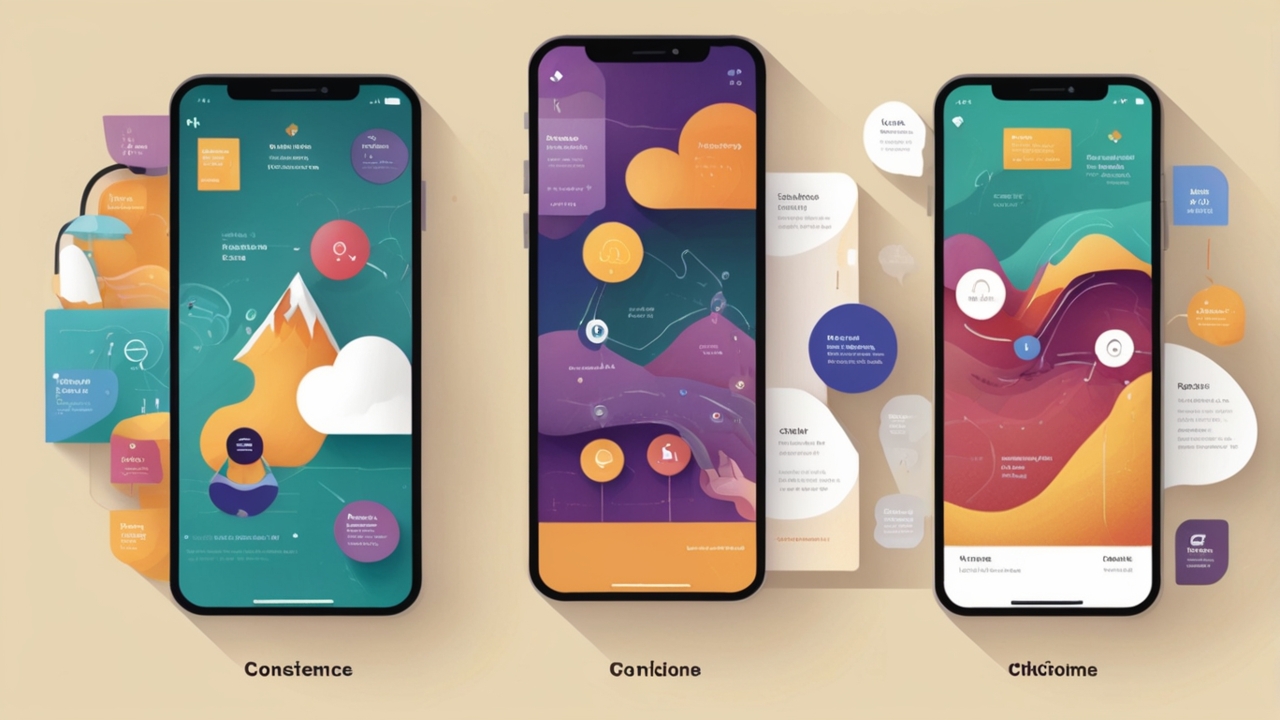
Mayumiotero – Visual Continuity has increasingly become the backbone of digital ecosystems, as users today move fluidly between devices and expect interfaces to feel instantly familiar. Although design trends shift rapidly, the core principle remains: people trust what they recognize. Consequently, brands that prioritize consistency across platforms from mobile apps to wearables tend to build stronger emotional connections with their users. As expectations rise, companies no longer treat consistency as a luxury but as a fundamental design requirement. Moreover, this continuity helps new users adapt more quickly, reducing cognitive load and enhancing the overall experience. When every element feels intentional, the ecosystem becomes more than a collection of apps it becomes an integrated digital journey.
“Read also: AWS Trainium and Decart: A New Era of Real-Time AI Video Generation“
How Visual Continuity Strengthens User Trust and Long-Term Loyalty
Furthermore, Visual Continuity plays a powerful psychological role in shaping user trust. Humans are naturally drawn to predictable patterns, and digital interfaces are no exception. When icons, colors, and motion behaviors remain consistent, users feel reassured and in control. Additionally, continuity minimizes uncertainty by signaling that every part of the ecosystem belongs to the same brand philosophy. This emotional reinforcement encourages users to remain loyal, even when competitors offer similar features. In my experience observing major design systems including Apple’s Human Interface Guidelines and Google’s Material Design trust is often built not by innovation alone but by predictable visual language that evolves gracefully.
The Role of Design Systems in Enforcing Harmonious Interface Patterns
Today, robust design systems serve as the primary engine that powers Visual Continuity across large organizations. These systems complete with component libraries, typography rules, and tone-of-voice guidelines ensure that every new feature aligns with the brand’s identity. Moreover, design systems reduce fragmentation, a common challenge in ecosystems with multiple teams working simultaneously. By unifying aesthetics and interactions, companies streamline collaboration and accelerate development. I’ve seen firsthand how design teams benefit from this shared visual vocabulary: instead of debating stylistic choices, they can focus on problem-solving and innovation. As ecosystems scale, a strong design system becomes not only useful but indispensable.
Cross-Device Visual Continuity and Its Impact on Multi-Platform Behaviors
Additionally, users increasingly interact with apps across several devices throughout the day, heightening the need for consistent visuals. They might begin a task on a smartphone, continue it on a tablet, and finalize it on a desktop all without conscious effort. Visual Continuity ensures that these transitions feel effortless rather than disruptive. Shared grid structures, cohesive color palettes, and synchronized animation styles create a seamless handoff between contexts. When users recognize patterns instantly, they spend less time relearning interfaces and more time completing their goals. In this way, continuity directly enhances productivity and satisfaction across the entire ecosystem.
“Read also: Micron’s Turning Point: How AI Pushed a Tech Giant to Leave the Consumer Market“
Why Motion Design and Micro-Interactions Matter More Than Ever
Interestingly, Visual Continuity is not just about static visuals; motion design now plays a critical role in shaping coherent digital experiences. Smooth transitions, elastic gestures, and micro-interactions subtly guide user attention and reinforce brand identity. When motion behavior is consistent, users intuitively understand how elements respond, making navigation feel natural. Brands like Spotify, Airbnb, and Notion demonstrate how motion transforms functionality into personality. Additionally, micro-interactions provide emotional cues celebrations, confirmations, and subtle feedback that make an ecosystem feel alive. This harmonious blend of movement and meaning creates an interface that users remember, not merely use.
The Hidden Costs of Poor Continuity Across Digital Platforms
Without Visual Continuity, ecosystems quickly fall into fragmentation, and users suffer the consequences. Conflicting UI elements, mismatched icons, and inconsistent behaviors force users to reorient themselves repeatedly. As a result, they experience frustration and disengage more quickly. In large organizations, inconsistent visuals introduce inefficiencies by requiring teams to create components from scratch or refactor misaligned features later. From a business perspective, this lack of harmony weakens brand identity and increases support costs. Ultimately, continuity is not just an aesthetic decision but a strategic investment in user experience and operational efficiency.
Visual Continuity as a Strategic Differentiator in Competitive Markets
Therefore, companies that excel in Visual Continuity often outperform competitors because their products feel premium, cohesive, and trustworthy. In saturated markets where features are increasingly similar, the differentiating factor becomes experience quality. Apps that present unified design language communicate professionalism and attention to detail qualities users associate with high reliability. Moreover, strong visual ecosystems encourage customers to adopt additional services from the same brand, creating powerful network effects. This is particularly evident in super-apps and connected platforms, where consistency fuels ecosystem stickiness and long-term engagement.
Future Trends: Adaptive Design and the Evolution of Continuity Standards
Looking ahead, Visual Continuity will expand beyond traditional screens as augmented reality, AI-driven interfaces, and spatial computing gain momentum. As these technologies evolve, design teams must rethink how continuity adapts across dynamic, context-aware surfaces. Additionally, personalization will play a bigger role, requiring systems that maintain brand coherence while adjusting to individual preferences. This balance between flexibility and unity will define the next generation of design systems. From my perspective, brands that embrace adaptive continuity rather than rigid uniformity will lead the industry and set new standards for digital harmony.