Mayumiotero – Preserving local legends is crucial for safeguarding cultural heritage and passing down ancestral wisdom. Folk stories are not only entertaining but also deeply rooted in tradition, offering insights into the values and customs of communities. As society evolves, these legends are at risk of fading into oblivion. This article will explore the importance of documenting these stories and how to share them effectively with future generations. By preserving local legends, we ensure that they continue to enrich our cultural fabric. Moreover, sharing them creates a sense of connection between past, present, and future generations. With the right approach, these stories can be passed on in meaningful ways. Let’s explore how we can keep these timeless tales alive.
Read Also: How Filming Your Daily Chores Is Training the Android Butlers of Tomorrow
The Importance of Preserving Local Legends
Local legends are integral to the cultural identity of any community. They reflect shared values, myths, and traditions that shape collective memory. These stories not only entertain but also teach moral lessons and preserve historical events. Through legends, communities bond over common experiences and ideas. Preserving these legends helps to foster a sense of belonging and pride in one’s heritage. It connects individuals to their ancestors and the cultural narratives they left behind. As societies become increasingly globalized, it becomes even more essential to protect these stories. By doing so, we honor the legacy of those who came before us.
Documenting Oral Traditions: A Creative Approach
The first step in preserving local legends is to document them. Many folk stories have been passed down orally, making them vulnerable to being forgotten over time. Recording these stories through audio, video, or written forms ensures their survival. Digital tools such as smartphones, voice recorders, and transcription apps make it easier to capture and store these narratives. Audio recordings are particularly effective, as they retain the tone, emotion, and style of storytelling. Additionally, written transcriptions allow for easy sharing and archiving. With modern technology, it’s easier than ever to ensure that these stories are recorded for posterity. Let’s look at some practical methods to document these valuable traditions.
Interviewing Local Storytellers
One of the best ways to capture folk stories is by interviewing local storytellers. These individuals are often the guardians of oral traditions, passing them down to younger generations. Through personal interviews, you can gather authentic stories that are rich in cultural context. It’s important to approach these storytellers with respect, allowing them to share their stories in their own words. Ask open-ended questions that encourage them to tell the stories in full, without interruption. Recording these sessions will help preserve the nuances of the story, which may otherwise be lost. These recordings can be transcribed or shared directly through digital platforms to ensure the stories are accessible to future audiences. Let’s see how these recordings can be shared with the world.
Using Technology to Share Folk Stories
Once local legends are documented, the next step is to share them with a wider audience. Digital platforms such as websites, podcasts, and social media provide excellent ways to reach people globally. By creating an online repository for folk stories, you make these legends accessible to anyone with an internet connection. Podcasts are particularly effective because they allow listeners to hear the stories directly from the source. Videos, blogs, and social media posts also help amplify these stories, engaging younger audiences. Sharing local legends digitally helps bridge the gap between tradition and modernity. It ensures that the stories are preserved in a format that appeals to today’s tech-savvy generation. This is the key to ensuring that folk stories are preserved for future generations.
Engaging the Community in Storytelling
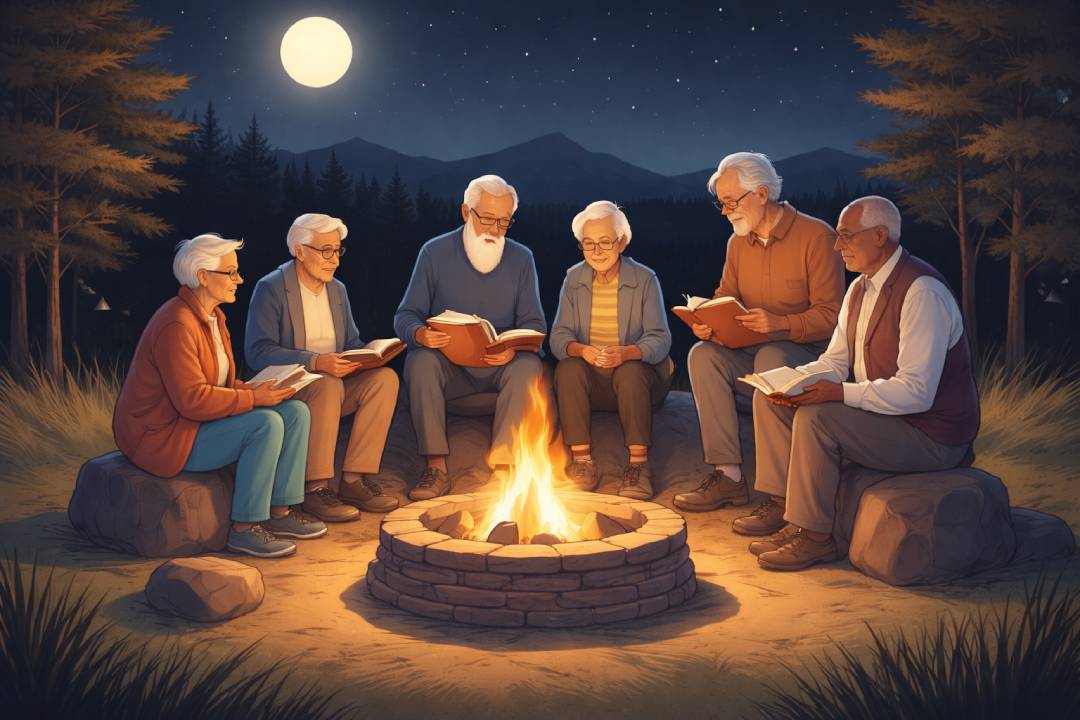
Preserving local legends isn’t just about recording and sharing stories—it’s also about engaging the community. Organizing storytelling events, whether in person or online, allows people to actively participate in the preservation process. These events can take many forms, such as local festivals, storytelling nights, or radio programs. By encouraging people to share their own folk stories, you create a sense of collective ownership over these traditions. Community storytelling fosters intergenerational connections, as younger people can learn from elders who carry the wisdom of the past. These events also help to revitalize interest in folk stories and ensure that they continue to thrive. Through these interactive events, stories come to life in a way that written documentation alone cannot achieve. Let’s look at how creative arts can also contribute to this process.
Preserving Through Creative Arts
Creative arts provide an exciting way to preserve local legends and folk stories. Artists, musicians, and performers can reinterpret these stories through their respective crafts. For example, folk stories can be adapted into plays, paintings, or songs, making them more engaging and accessible to modern audiences. This creative reimagining breathes new life into the stories, ensuring that they remain relevant and captivating. Through theater performances, folk stories are brought to the stage, allowing audiences to experience them in a dynamic way. Musicians can compose songs inspired by these legends, and visual artists can create illustrations or sculptures that represent key moments in the story. This approach not only preserves the legends but also makes them part of contemporary culture. Let’s explore how education plays a crucial role in this preservation effort.
Read Also: Sony’s AI Visual Breakthrough Signals a New Era of Ultra-Realistic Gaming
The Role of Education in Preservation
Education plays a vital role in preserving local legends. Schools can integrate folk stories into their curricula, allowing students to learn about their cultural heritage. By studying these stories in the classroom, students gain a deeper understanding of their identity and history. Teachers can also encourage students to create projects based on these stories, such as writing their own versions or illustrating key scenes. This helps students engage with the material in a creative and meaningful way. Moreover, educational institutions can host storytelling events or invite local elders to share their knowledge. By making folklore an integral part of education, we ensure that the younger generation values and preserves these traditions. Now, let’s examine some of the challenges that may arise in this preservation process.
Challenges and Solutions in Preservation
While preserving local legends is crucial, it is not without its challenges. One of the main obstacles is the decline in traditional storytelling practices. As technology advances and global media becomes more dominant, younger generations may not be as interested in hearing oral stories. To overcome this, we need to embrace digital tools and creative platforms that attract younger audiences. Additionally, local legends can be adapted into formats that resonate with today’s culture, such as video games, animations, or interactive apps. Collaborating with local storytellers and artists can also help reinvigorate interest in folk stories. By integrating storytelling into modern forms of media, we can bridge the gap between tradition and technology. Preserving these legends requires both creativity and adaptability, ensuring they remain relevant for future generations.
A Shared Responsibility
Preserving local legends is a shared responsibility that involves the entire community. Whether through recording stories, engaging in community events, or adapting them through creative arts, everyone can play a role in keeping these traditions alive. By embracing modern tools and platforms, we ensure that these stories transcend generations. As we document and share folk stories, we honor the past and enrich the future. It is our duty to preserve the cultural narratives that define who we are and where we come from. Let’s continue to share these stories and ensure that the voices of our ancestors are never forgotten.