Mayumiotero – Textured Walls Are Trending, and this shift is transforming how people perceive modern interiors. In the past, smooth and flawless walls were considered the ultimate standard of beauty. However, design preferences have evolved significantly. Today, homeowners and designers are embracing surfaces that feel more natural and expressive. As a result, textured walls have become a central element rather than a background feature. This change reflects a deeper desire for authenticity in living spaces. From my perspective, this trend is not just visual but also emotional. People now want their homes to feel alive and personal. Therefore, textured walls offer a unique way to achieve that balance. They bring warmth, character, and depth into any room while maintaining a modern aesthetic.
“Read Also: FIFA World Cup 2026 Goes Digital: YouTube Set to Transform How Fans Experience Football“
The Rise of the Raw Look in Contemporary Design
The raw look concept plays a major role in why textured walls are trending. Instead of hiding imperfections, this style highlights them as part of the design. For instance, materials like exposed concrete, rough plaster, and limewash finishes are now widely used. These elements create a sense of honesty and simplicity. Moreover, they align with the growing preference for minimal yet meaningful design. In my opinion, this approach challenges traditional ideas of perfection. It encourages people to appreciate natural textures and irregularities. Consequently, interiors feel more grounded and less artificial. This shift also reflects a broader lifestyle change where authenticity is valued over perfection.
How Textured Walls Transform Visual Depth and Space
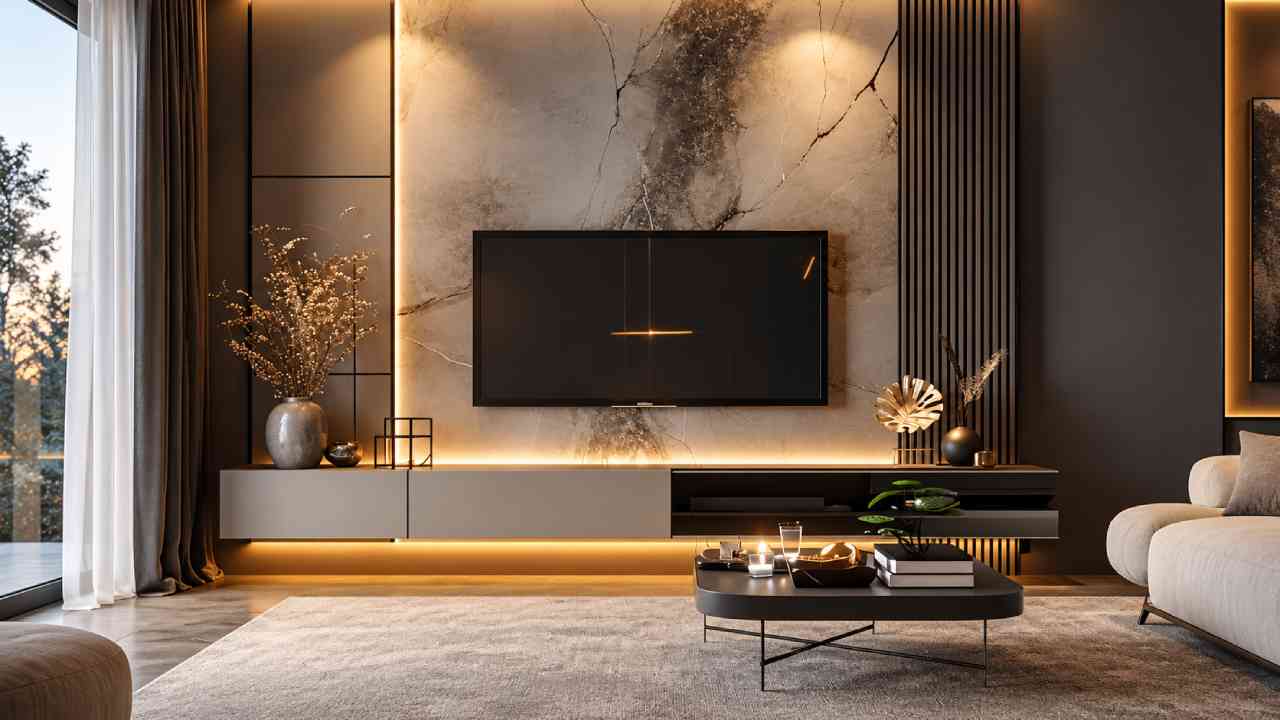
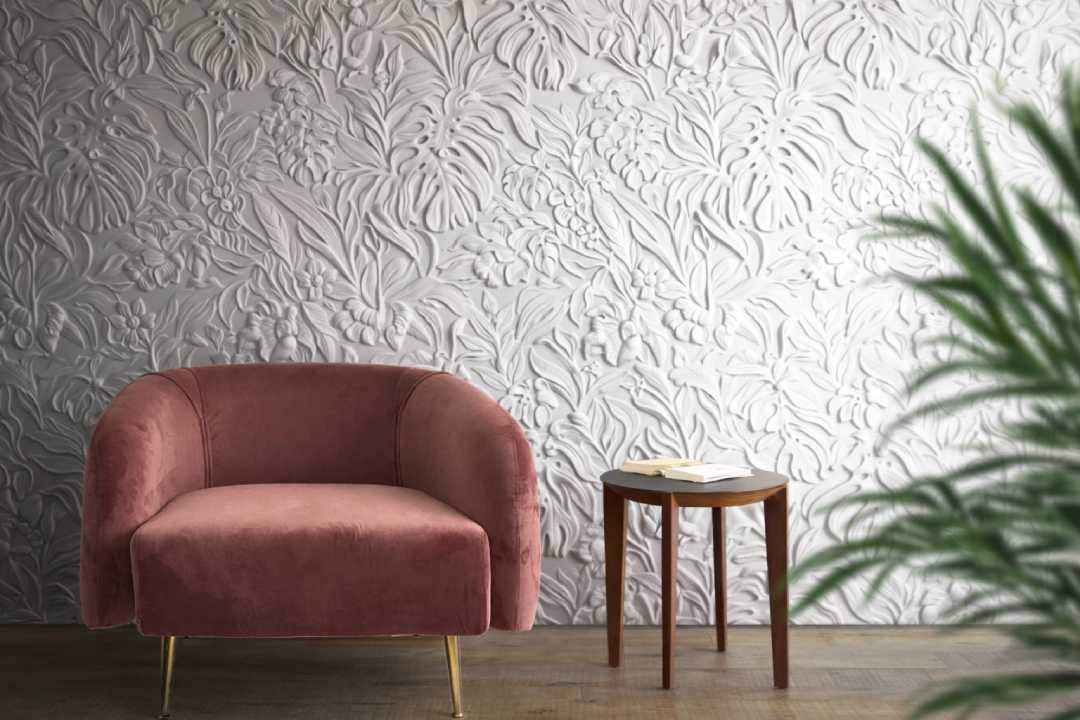
One of the most noticeable benefits of textured walls is their ability to enhance visual depth. Unlike flat surfaces, textured finishes interact with light in dynamic ways. As light hits the wall, it creates subtle shadows and highlights. This effect adds dimension to the room without the need for excessive decoration. Additionally, textured walls can make spaces feel more sophisticated and layered. From a design standpoint, this is highly valuable. It allows minimal interiors to remain visually interesting. Furthermore, this approach supports the idea that less can be more. Instead of filling a room with objects, designers focus on quality surfaces that speak for themselves.
Materials That Define the Textured Wall Trend
Several materials are driving the popularity of textured walls. Among them, limewash, microcement, and exposed concrete stand out the most. Each material offers a distinct aesthetic while maintaining a natural feel. For example, limewash creates soft, cloudy textures that add warmth. On the other hand, microcement provides a sleek yet slightly raw finish. Meanwhile, exposed concrete delivers a bold and industrial look. These options give homeowners flexibility in achieving their desired style. In my view, this diversity is one of the trend’s greatest strengths. It allows textured walls to fit various design themes, from modern minimalism to rustic interiors.
The Philosophy Behind “Imperfect Is the New Luxury”
A key idea behind this trend is the concept that imperfection can be beautiful. This philosophy, often described as “imperfect is the new luxury,” has gained significant attention. Instead of striving for flawless surfaces, designers now celebrate natural variations. Small cracks, uneven textures, and subtle color differences are no longer seen as flaws. Instead, they add character and authenticity. From a human perspective, this approach feels more relatable. After all, perfection is rarely found in nature. Therefore, bringing this philosophy into interior design creates a more comforting and genuine environment. It also encourages a deeper connection between people and their living spaces.
“Read Also: Turning Simple Experiences Into Lively Meaningful Stories“
Why Homeowners Are Embracing This Trend
There are several reasons why textured walls are trending among homeowners. First, they provide a unique visual identity that standard finishes cannot achieve. Second, they reduce the need for excessive decoration, making spaces feel cleaner and more intentional. Additionally, textured walls often require less maintenance in terms of visible wear. Scratches or minor damage blend naturally into the surface. From my observation, this practicality makes them even more appealing. Moreover, the trend aligns with the growing interest in sustainable and natural materials. As a result, it resonates with modern values and lifestyles.
Comparing Textured Walls to Traditional Smooth Finishes
When compared to traditional smooth walls, textured finishes offer a completely different experience. Smooth walls are clean and uniform, but they can sometimes feel flat and uninspired. In contrast, textured walls bring movement and personality into a space. However, this does not mean one is better than the other. Instead, it depends on the desired atmosphere. For example, smooth walls may suit highly formal environments. Meanwhile, textured walls are ideal for creating warmth and depth. From a design perspective, this comparison highlights the importance of intention. Choosing the right finish can significantly influence how a space feels and functions.
The Future of Interior Design with Textured Walls
Looking ahead, textured walls are likely to remain a strong influence in interior design. As people continue to seek authenticity, this trend will evolve rather than disappear. New materials and techniques will further expand creative possibilities. Additionally, the integration of technology may introduce innovative finishes that combine texture with functionality. From my analysis, the future of design lies in balancing aesthetics and experience. Textured walls represent this balance perfectly. They are visually appealing while also creating emotional comfort. Therefore, it is clear that this trend is more than a passing phase. It is a reflection of how modern living spaces are being redefined.