Mayumiotero – Getting to Know Clay crafts have played a vital role in human creativity for centuries, providing both functional and decorative items. From pottery to sculptures, clay allows artists to express their imagination in tangible forms. The material’s malleability makes it ideal for various techniques, whether for beginners or experienced artists. In this article, we will explore the essential processes and techniques of working with clay. By getting to know clay crafts, you begin an exciting journey. Whether you’re creating a decorative piece or a functional item, the process is enriching. Let’s explore the steps involved in this ancient yet ever-evolving art.
“Read Also: Nvidia’s new AI agent tools and computing platform updates signal“
The Importance of Understanding Clay Types
To begin any clay craft, you must understand the different types of clay available. Each type of clay offers unique properties that influence the outcome of the piece. The two primary types are earthenware and stoneware, each suited to different uses. Earthenware is softer and more porous, making it ideal for decorative pieces like figurines. Stoneware, however, is denser and more durable, perfect for functional items such as mugs and bowls. Knowing these types helps you choose the right clay for your project. For example, if you’re making pottery that will hold liquid, stoneware might be the best choice. Understanding these properties also ensures your work is both beautiful and durable.
Preparing the Clay
The first step in crafting with clay is preparing the material properly. Before shaping your clay, knead it using a technique called “wedging.” Wedging removes air bubbles that can cause cracks when the clay is fired. This technique also makes the clay more uniform and pliable, ensuring smoother results. Artists typically work the clay by folding, compressing, and kneading it repeatedly. Properly preparing the clay also ensures it won’t deform during shaping or firing. Once the clay is wedged, you can mold it into your desired form. Whether you’re creating a small sculpture or a large pot, this step is essential for long-lasting pieces.
Shaping the Clay
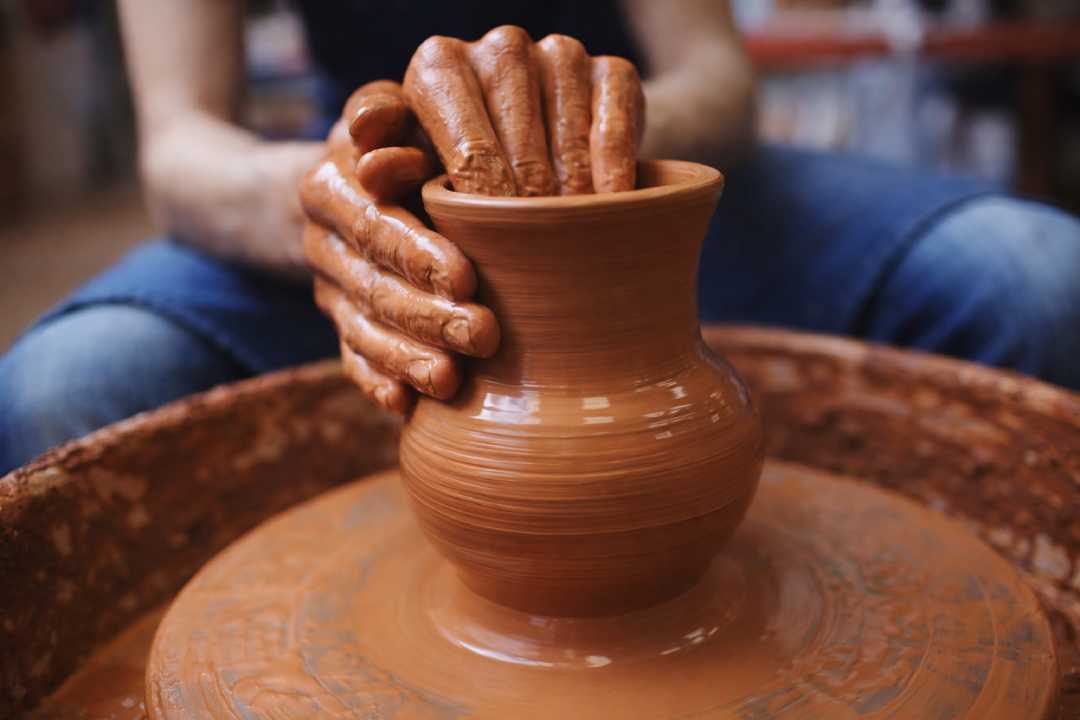
Shaping the clay is where creativity truly begins to unfold. You can shape clay using various methods, such as hand-building, wheel-throwing, and molding. Hand-building involves shaping the clay by hand with basic tools like fingers and wooden sticks. This technique works well for making pots, vases, and sculptures. Wheel-throwing, on the other hand, involves using a potter’s wheel, where the clay is spun while you shape it with your hands. This technique is perfect for creating symmetrical items like bowls or mugs. Lastly, molding involves pressing the clay into pre-made molds to create consistent shapes. Each of these methods allows you to express your creativity in different ways.
Drying the Clay
Once you’ve shaped your clay, let it dry slowly and evenly. Proper drying is essential to avoid cracks or deformation. Rapid drying can lead to warping or cracking, especially in thick sections of the clay. Depending on the size and thickness of your piece, drying time can vary from a few hours to several days. During this time, periodically smooth the surface or add texture to enhance the design. Once the piece reaches a leather-hard state, it becomes firm but still slightly moist, making it easier to carve or refine. This stage is ideal for adding intricate details, such as carving patterns or textures into the surface.
Firing the Clay
After your clay piece has dried completely, it’s time for the first firing, known as bisque firing. In this process, the clay undergoes intense heat in a kiln to harden and remove any remaining moisture. The bisque firing temperature typically ranges from 1,800°F to 2,000°F. This step prepares the piece for glazing, making it strong enough to handle the next stages. Gradually heat the kiln to avoid cracking the piece due to sudden temperature changes. After bisque firing, the clay becomes sturdy and ready to be decorated with glaze. Firing also ensures the clay becomes durable enough for everyday use, especially for functional pottery.
“Read Also: Vision AI Trends 2026 Computer Vision Technology Transforms Industrial Infrastructure“
Applying Glaze
Glazing gives your fired clay piece a shiny or matte finish. Glaze enhances the visual appeal of the piece and also makes it waterproof. You can choose from many types of glazes, including glossy, matte, and satin finishes. You can apply the glaze by dipping, brushing, or spraying it onto the clay. When applying the glaze, cover all areas you want sealed, while leaving some exposed for aesthetic purposes. After glazing, fire the piece again in the kiln at a higher temperature, usually between 2,100°F and 2,300°F. This second firing melts the glaze and bonds it to the surface, giving the clay a smooth, glossy finish.
The Beauty of Clay Crafts
What makes clay crafts truly special is their combination of artistic freedom and tactile experience. Each piece of clay art tells a unique story, shaped by the artist’s hands and vision. The imperfections that arise during the process only add to the charm and individuality of the piece. Whether it’s a beautifully decorated pot or a whimsical sculpture, every clay creation is one of a kind. Working with clay allows artists to explore different textures, forms, and colors, offering endless possibilities for creativity. The organic nature of clay crafts gives them a timeless appeal. They continue to be cherished for their beauty and functionality.
The Joy of Creating with Clay
Getting to know clay crafts is not just about learning techniques; it’s about embracing the joy of creation. The steps from preparing the clay to glazing and firing all require patience, skill, and passion. The result is always rewarding, a piece of art that’s uniquely your own. Whether you’re crafting for personal enjoyment or looking to sell your creations, the world of clay crafts offers endless opportunities for artistic expression. So, grab some clay and start your own creative journey today, discovering the beauty and satisfaction of working with this timeless material.