Mayumiotero – Color Pencil Drawing Techniques for Beginners are a wonderful way to start exploring art, especially if you are new to drawing. While many people think of color pencils as simple tools for kids, they actually offer incredible potential for detailed, professional-looking artwork. The beauty of color pencils lies in their accessibility and the vast range of techniques you can use to create depth, texture, and vibrancy. In my opinion, color pencils are a perfect medium for beginners because they are easy to control, affordable, and flexible. The best part? You don’t need to be a professional artist to create something beautiful. With just a few basic techniques, you can bring your creative ideas to life.
“Read Also: AI: Revolution, Hype, or Just Misunderstood? Why Everyone Sees It Differently“
The Basics of Choosing the Right Color Pencils
Color Pencil Drawing Techniques for Beginners start with choosing the right tools. Not all color pencils are the same, and the quality can make a huge difference in your artwork. Beginners should consider purchasing high-quality colored pencils that are smooth, blendable, and have a rich pigment. The two main types of color pencils are wax-based and oil-based. Wax-based pencils are generally softer and blend easier, which makes them ideal for beginners. Oil-based pencils are harder and more durable, but they require more pressure to apply color. In my experience, investing in a good set of pencils can help you develop your skills faster and make drawing more enjoyable.
Layering and Blending: Two Essential Techniques
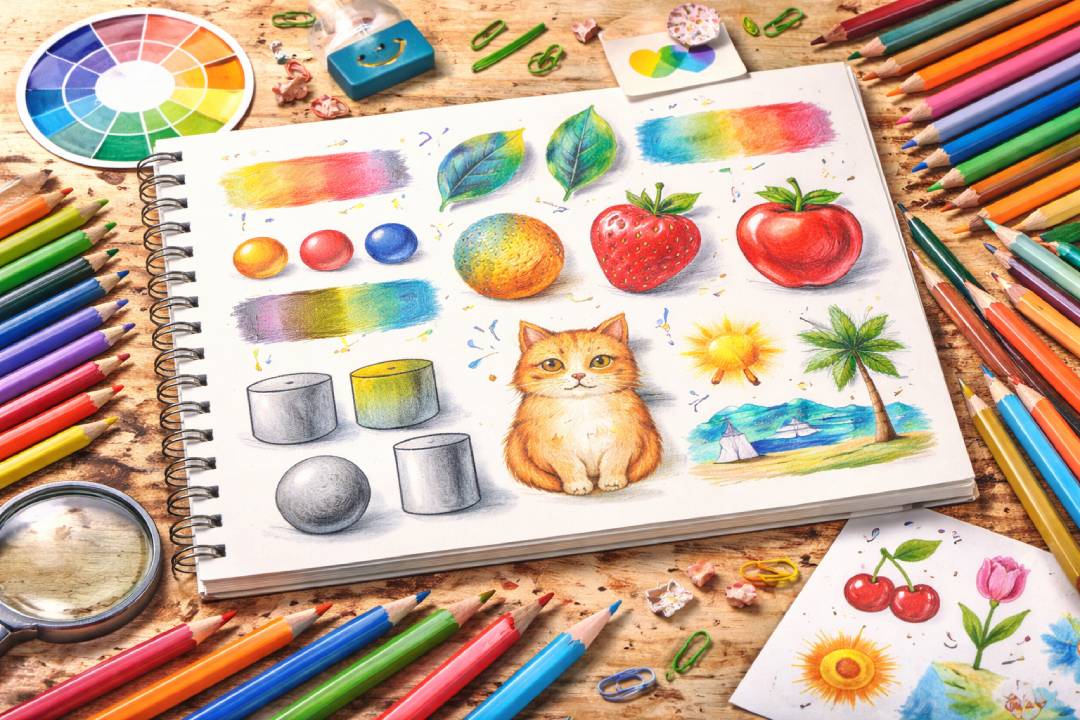
Color Pencil Drawing Techniques for Beginners often revolve around two key practices: layering and blending. Layering is the process of building up colors by applying multiple thin layers of pencil strokes. This helps create rich, vibrant colors and subtle gradients. Blending, on the other hand, is used to smooth out harsh lines and create a seamless transition between colors. To blend effectively, use a blending stump or a soft cloth, or simply use a lighter pencil to gently work the colors together. In my opinion, mastering these two techniques is essential for achieving professional-looking results.
How to Use Pressure to Control Color Intensity
One of the simplest yet most powerful techniques in color pencil drawing is learning how to control pressure. By adjusting the amount of pressure you apply to the pencil, you can create different effects. Light pressure will produce soft, translucent layers of color, while heavy pressure creates bold, saturated shades. This can be particularly useful when you want to add depth to a drawing or highlight certain areas. In my view, controlling pressure is one of the most important skills to master for beginners. It gives you the flexibility to work with a wide range of styles, from delicate shading to striking, bold strokes.
Creating Texture with Color Pencils
Color Pencil Drawing Techniques for Beginners also include learning how to create texture. Whether you’re drawing the rough surface of tree bark or the smoothness of skin, texture adds realism to your art. To create texture, start by observing the object you want to draw and focus on its surface characteristics. Use short, controlled strokes to mimic the texture you see. For example, to create the effect of fur, use tiny, directional strokes to replicate the layers of hair. In my opinion, practicing texture can make your drawings stand out and give them a more dynamic, life-like quality.
Understanding Light and Shadow in Color Pencil Art
Color Pencil Drawing Techniques for Beginners require an understanding of light and shadow. When drawing, the way light hits an object will determine where highlights and shadows should be placed. To add depth to your drawings, observe where the light source is coming from and use lighter shades to highlight areas that catch the light, while using darker shades to create shadowed regions. In my experience, practicing how to use light and shadow will instantly improve the realism of your work. It helps you create the illusion of three-dimensional space on a flat surface.
“Read Also: Phone-Free Evening Routine for a Calmer Mind at Night“
Color Mixing and Creating Custom Shades
Another key aspect of Color Pencil Drawing Techniques for Beginners is learning how to mix colors. Unlike paints, color pencils allow you to layer and mix colors directly on the paper. You can blend different colors together to create custom shades or add texture to your work. One simple way to mix colors is to layer them one on top of the other. Start with a lighter color and then gradually add darker tones to create depth. Alternatively, you can experiment with blending two colors together for a smooth, seamless effect. Mixing colors is one of the most fun parts of using color pencils, and it’s a great way to discover new color combinations and effects.
The Importance of Patience and Practice
Color Pencil Drawing Techniques for Beginners also require patience. Unlike digital tools or other media, color pencils are a slower medium. It takes time to build up layers, achieve smooth gradients, and get the perfect amount of shading. In my opinion, one of the most rewarding parts of drawing with color pencils is the gradual progress you can see with each layer. Don’t rush the process. Take your time and enjoy the journey. The more you practice, the better you will get, and the more you will learn about your unique style.
Simple Tips for Keeping Your Workspace Organized
Color Pencil Drawing Techniques for Beginners also include keeping your workspace organized. As a beginner, it’s easy to get overwhelmed with all the materials and techniques you’re learning. However, keeping your pencils, paper, and tools organized can help you stay focused and avoid frustration. Store your pencils in a pencil case or organizer, separate your shades by color families, and keep your paper clean from smudges. Having a tidy workspace allows you to focus entirely on your artwork, rather than constantly looking for the tools you need.