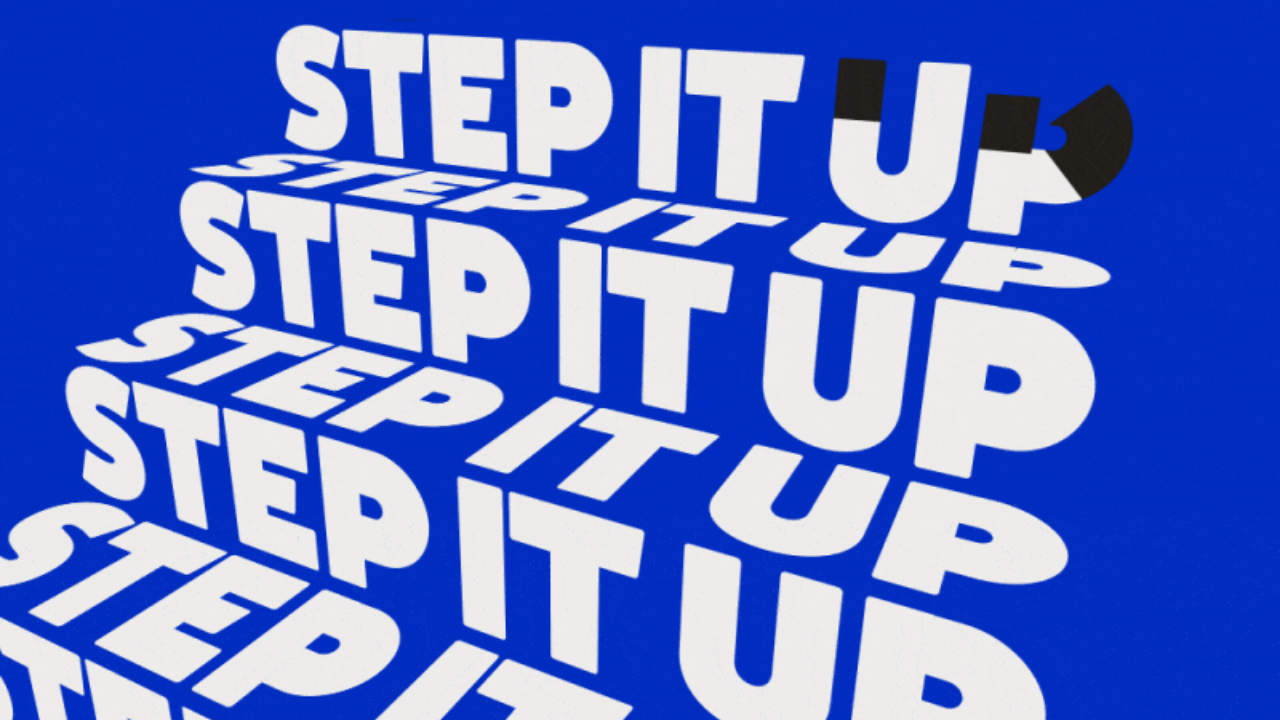
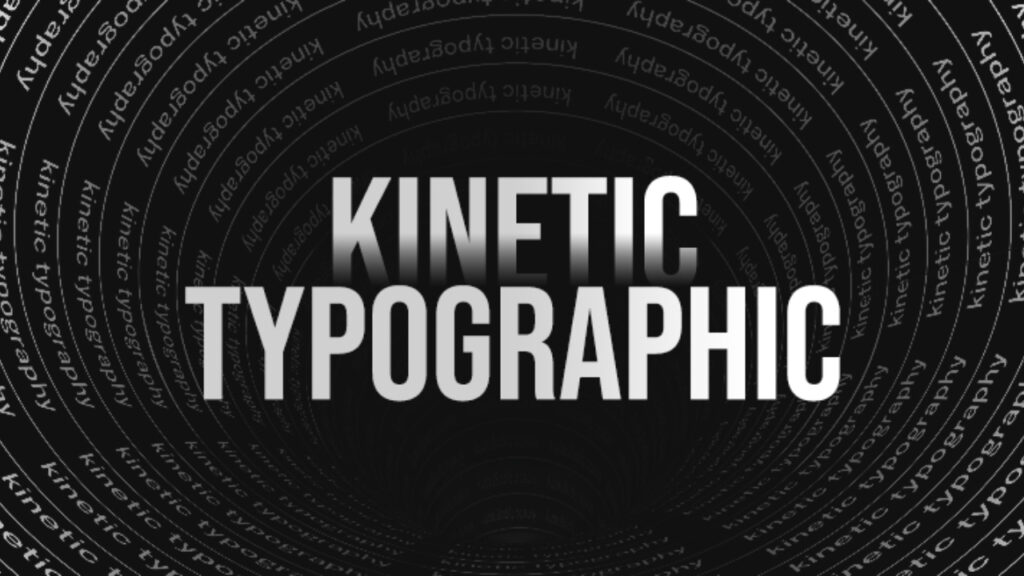
Mayumiotero – Kinetic Typography has become one of the most influential design trends in modern web animation. As digital audiences grow more visual and less patient, moving text offers a compelling way to hold attention and communicate meaning with precision. When I observe how designers now place motion at the heart of storytelling, it becomes clear that typography is no longer a decorative choice it is a communication strategy rooted in psychology, rhythm, and emotional impact. This approach brings text to life, turning simple words into animated expressions that guide users through narratives in a memorable and meaningful way.
“Read also: Google’s Aluminium OS: The Race Toward a Unified Future“
Why Kinetic Typography Resonates With Today’s Audiences
Kinetic Typography works because humans naturally respond to movement. Studies in visual cognition show that our eyes are instantly drawn to dynamic shapes, making animated text far more engaging than static copy. Additionally, designers now rely on this technique to create emotional emphasis stretching, bouncing, or fading words to make messages feel vivid. Through this combination of motion and meaning, web interfaces can highlight key ideas without overwhelming users. As a result, brands leveraging typography often enjoy stronger audience retention and deeper message resonance.
The Emotional Storytelling Power Behind Moving Text
Beyond its aesthetic appeal, Kinetic Typography is a powerful storytelling tool. Through pacing, transitions, and synchronization with audio, designers can shape how users interpret a message. For example, slow fades may evoke calm, while fast bursts create urgency. This emotional layering allows creators to build narratives that audiences not only read but feel. In my experience, this technique turns simple website sections headers, intros, testimonials into micro-stories that leave lasting impressions.
How Kinetic Typography Enhances User Experience
Well-executed kinetic typography contributes greatly to user experience. When text motion is purposeful, it guides the viewer’s gaze and creates a natural reading flow similar to following a narrator’s voice. This is especially effective in explainer sites, product launches, or campaign pages where information needs to be delivered gradually. Furthermore, typography can act as a visual hierarchy tool highlighting important points and structuring content without relying on plain formatting.
Design Principles That Keep Motion Functional, Not Distracting
To maintain clarity, designers must balance creativity with usability. Smooth easing curves, consistent timing, and restrained transitions help prevent cognitive overload. Importantly, Kinetic Typography must support comprehension, not overshadow it. When animations are too sudden or excessive, users may feel disoriented. Therefore, motion design systems emphasize clarity, rhythm, and intention to ensure the message remains the focus. This principle becomes essential in responsive design, where animations must adapt fluidly across screen sizes.
“Read also: UK–Germany Quantum Alliance: A New Era of Scientific Power“
Kinetic Typography Across Different Web Styles and Industries
What fascinates me most is how versatile this technique has become. Media companies use Kinetic Typography to dramatize headlines; education platforms use it to simplify complex concepts; entertainment brands rely on it to create hype; and tech companies apply it to signal innovation. Even corporate websites now embrace moving text to soften their tone and feel more human. This widespread adoption proves that Kinetic Typography is not just a fleeting trend it is an evolving design language shaping how digital communication works.
Integrating Kinetic Typography With Sound and Interaction
When integrated with audio cues or interactive triggers, the impact of Kinetic Typography multiplies. Words that move according to the beat of a soundtrack create an immersive audiovisual effect. Meanwhile, text that responds to cursor movement or scroll actions establishes a sense of participation. These multimodal experiences elevate the user’s engagement because the story feels alive and reactive. This combination mirrors the techniques used in film title sequences, now adapted for real-time web experiences.
The Future of Kinetic Typography in a Motion-Driven Web
As the web becomes more immersive, Kinetic Typography will play an even bigger role. With WebGL, CSS motion features, and high-performance JavaScript libraries, designers now have the tools to craft animations once possible only in video editing software. Soon, dynamic text will blend seamlessly with 3D elements, adaptive layouts, and AI-driven personalization. I believe the future of web communication will be shaped by how effectively motion designers harness kinetic typography to create experiences that are both expressive and intuitively readable.