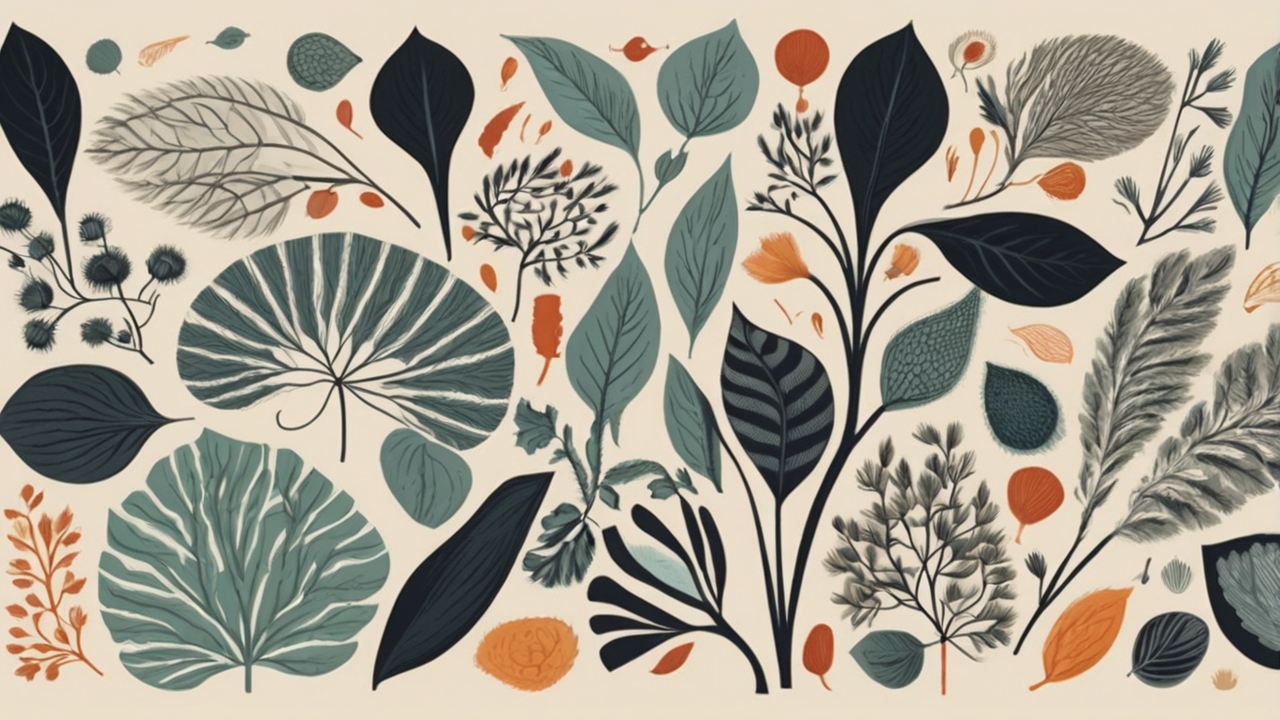
Mayumiotero – Graphic motifs have always held a unique ability to communicate meaning across cultures because they mirror patterns found in nature itself. When designers study natural forms such as spirals, waves, or cellular structures they discover shapes that humans instinctively recognize. As a result, these motifs feel familiar, calming, and emotionally resonant. Throughout history, artists have relied on natural references not only for inspiration but also to express identity, values, and collective memory. Today, the renewed interest in nature-based motifs signals a desire for grounding in a world dominated by digital noise. Moreover, the appeal of organic shapes lies in their ability to create harmony, establish rhythm, and form visual coherence without overwhelming the viewer. Personally, I believe that natural motifs anchor us, reminding us of textures, cycles, and movements that define life itself.
“Read also: Micron’s Turning Point: How AI Pushed a Tech Giant to Leave the Consumer Market“
How Natural Patterns Become Visual Languages in Graphic Design
Graphic motifs inspired by natural patterns transform raw observations into visual languages because designers reinterpret the complexity of nature into simplified, symbolic forms. For example, fractal arrangements found in ferns or coral turn into geometric motifs that communicate growth or expansion. Additionally, wave-like patterns derived from wind or water movement suggest flexibility, momentum, and flow. When designers adapt these structures, they create messages that transcend words. By studying the repetition, symmetry, and proportion of natural formations, graphic artists achieve clarity that feels both modern and timeless. This ability to condense nature into symbols is precisely why motifs remain essential in branding, illustration, textiles, and digital interfaces. Ultimately, natural patterns help designers establish emotional depth without sacrificing simplicity.
Organic Inspiration: The Endless Archive Hidden in Everyday Landscapes
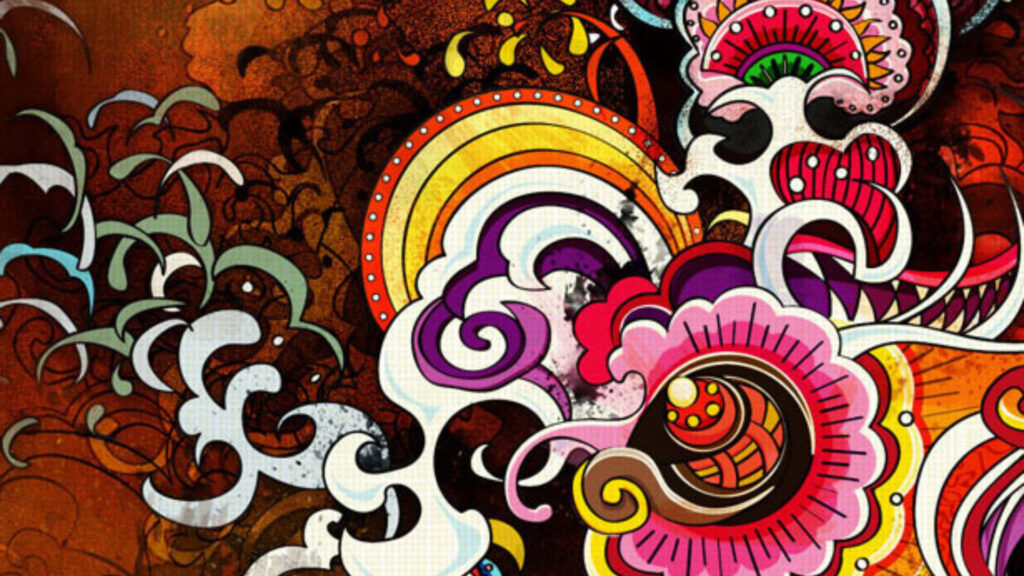
Nature functions as an endless archive for graphic motifs because every environment from forests to ocean floors presents new textures and rhythms. Even the smallest details, like the veins of a leaf or the geometry of honeycombs, offer designers a blueprint for sophisticated visual compositions. Furthermore, observing these elements encourages a slower, more intentional creative process. Rather than relying solely on digital tools, designers reconnect with sensory experiences: touching bark, watching ripples on water, or studying cloud formations. These moments of observation influence how they build line weights, strokes, and visual hierarchies. In my experience, the most compelling motifs often arise from overlooked details tiny imperfections, unexpected angles, or broken patterns that make a design feel alive.
Symbolism and Cultural Meaning Embedded in Natural Motifs
Graphic motifs derived from nature often carry deep cultural symbolism because societies have historically assigned meaning to natural elements. Leaves may represent rebirth, mountains symbolize endurance, and waves convey emotional fluidity. Consequently, designers must balance aesthetic decisions with cultural sensitivity. When used thoughtfully, natural motifs serve as bridges between tradition and contemporary expression. Yet when applied without understanding, they risk losing significance or appearing superficial. Modern creators increasingly research cultural histories to ensure their motifs honor the origins of the patterns they reinterpret. This combination of respect and innovation allows motifs to evolve while keeping their symbolic roots intact.
The Science Behind Why Natural Patterns Feel Visually Soothing
Scientists have long studied why humans respond positively to natural motifs, discovering psychological principles that support their emotional appeal. For instance, biophilia theory suggests that humans inherently seek connection with natural forms because these patterns signal safety and familiarity. Additionally, fractal geometry found in trees, coastlines, and cloud shapes aligns with visual processing patterns in the human brain. This alignment reduces stress and increases focus because the eyes can predict rhythm without strain. When designers integrate such motifs, they harness these scientific insights to craft visuals that calm, engage, and restore balance. Therefore, nature-based graphic motifs are not only artistic choices but also tools for emotional well-being.
“Read also: Inside the Frontier AI Research Lab: How Thomson Reuters and Imperial College Are Reshaping Enterprise AI“
Applying Natural Motifs in Contemporary Branding and Digital Media
Graphic motifs inspired by natural patterns thrive in modern branding because they communicate authenticity and depth. Many brands adopt botanical lines, flowing curves, or mineral-like textures to express sustainability, purity, or craftsmanship. Moreover, natural motifs translate well across digital platforms, from mobile interfaces to augmented reality experiences. Their organic forms soften the rigidity of digital environments, making interfaces feel more intuitive and human-centered. For designers, this fusion of nature and technology offers an opportunity to innovate while maintaining emotional resonance. In many projects, I have found that integrating natural motifs elevates brand identity by grounding it in familiarity and warmth.
Balancing Abstraction and Realism When Reinterpreting Nature
One of the most challenging aspects of using graphic motifs is deciding how literal or abstract the designs should be. When motifs lean too realistic, they risk feeling decorative rather than conceptual. However, if they become overly abstract, they may lose emotional context. Designers often begin with real photographs or sketches before distilling patterns into simpler shapes. This structured reduction allows them to maintain the essence of nature while creating motifs that remain versatile across mediums. Through experimentation, designers discover which lines to emphasize, which textures to simplify, and which shapes best communicate movement or stillness. This balance is essential to achieving motifs that feel modern yet deeply rooted in nature.
The Future of Graphic Motifs in a Bio-Inspired Design World
As sustainability becomes a global priority, graphic motifs inspired by nature will play an even larger role in future design. Designers increasingly explore biomimicry studying how nature solves problems and translating those solutions into visual strategies. Additionally, AI tools now help analyze natural patterns at microscopic scales, opening doors to motifs previously unseen by the human eye. This fusion of science, technology, and aesthetics will likely lead to motifs that challenge traditional design boundaries. Looking ahead, I believe natural graphic motifs will not only serve visual purposes but also promote ecological awareness by bringing the beauty of natural systems into human-made spaces.