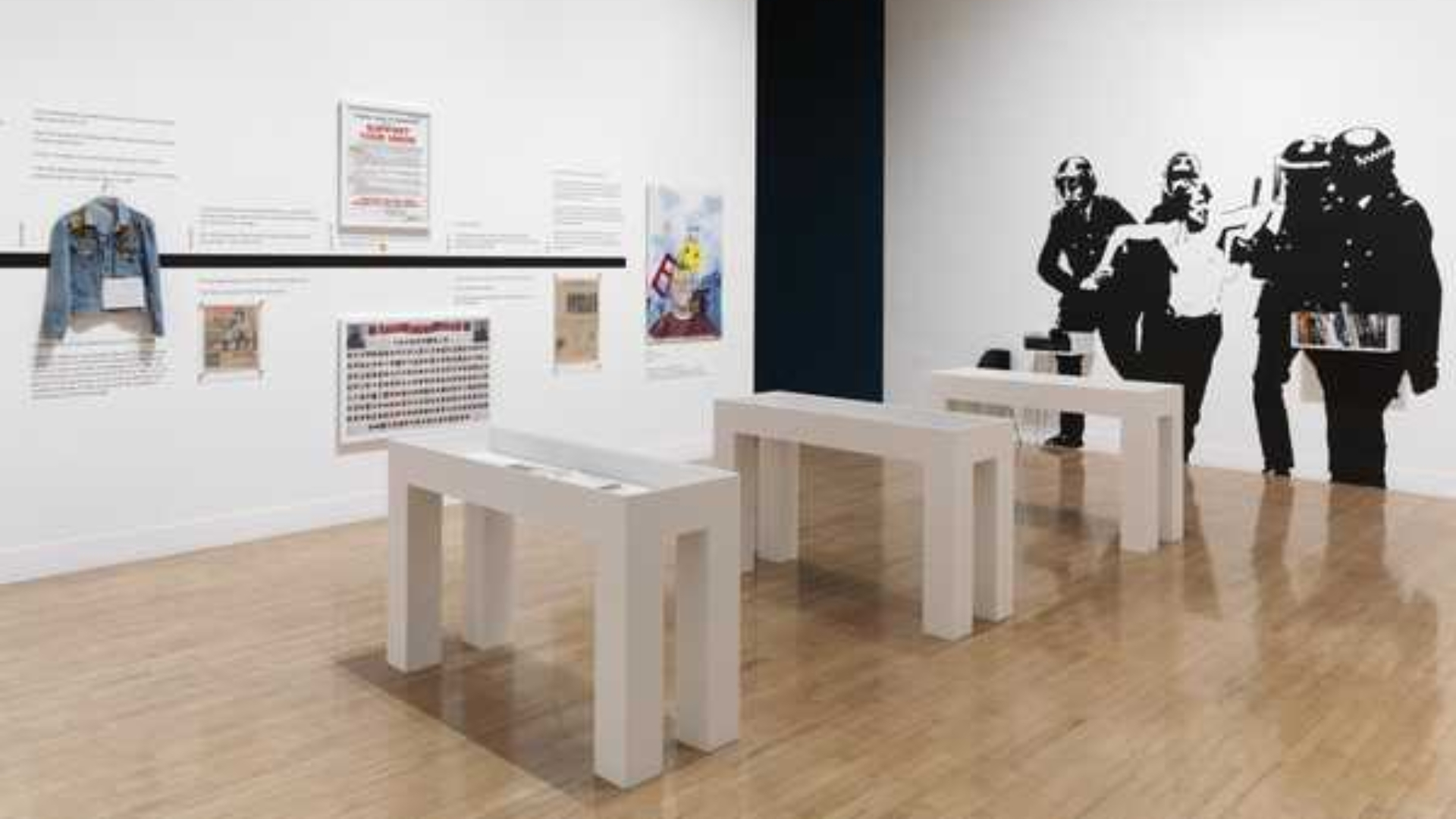
Mayumiotero – Visual Ethnography has grown into one of the most essential approaches for understanding human behavior in its most authentic form. Moreover, in an era where visual communication dominates daily life, researchers and designers increasingly depend on images, videos, and observational records to capture cultural nuances. This approach allows us to see not just what people say, but how they move, interact, build traditions, and interpret their environment. Additionally, visual documentation provides emotional depth that conventional surveys often fail to reach. Therefore, Visual Ethnography becomes a bridge connecting raw human experience with creative design decisions, making cultural design more grounded and human-centered.
“Read also: Inside the Frontier AI Research Lab: How Thomson Reuters and Imperial College Are Reshaping Enterprise AI“
How Visual Ethnography Translates Everyday Life Into Meaningful Design Insight
Visual Ethnography offers designers a unique way to translate complex cultural narratives into usable insights. Through close observation, photo journaling, and participatory recording, researchers can uncover subtle behaviors that influence how communities interpret objects, spaces, or symbols. Furthermore, these insights often reveal contradictions between what people think they do and what they actually do. Because cultural design requires understanding lived experience rather than assumptions, visual methods help designers step into the rhythm of daily life with clarity. In my experience, visual patterns often emerge faster than textual ones, enabling teams to develop solutions that resonate naturally with the target community.
The Role of Storytelling in Strengthening the Ethnography Process
Storytelling strengthens Visual Ethnography because it transforms raw data into narratives that people can emotionally connect with. Once visual materials are collected, researchers can weave these fragments into coherent stories about habits, identities, and values. Consequently, the process helps designers communicate cultural findings more effectively to stakeholders who may not be deeply involved in fieldwork. Story-based presentations, when supported by imagery, offer greater memorability and emotional engagement. Furthermore, storytelling allows cultural designers to present insights not as abstract theories but as lived realities, making decision-making more empathetic and human-centered.
How Visual Ethnography Enhances Cross-Cultural Understanding in Design
Cross-cultural projects often risk falling into stereotypes because designers may unintentionally rely on preconceived notions. However, Visual Ethnography enables them to observe real interactions without imposing external judgments. By documenting rituals, objects, clothing, movement, or spatial use, researchers gain visibility into cultural logic that might otherwise stay hidden. Moreover, this technique helps designers understand why certain design elements succeed in one group but fail in another. Through these visual insights, cross-cultural design becomes more respectful, accurate, and aligned with the social reality of each community.
The Importance of Participant Collaboration in Ethnography
One of the strengths of Visual Ethnography lies in its collaborative nature. Instead of turning participants into passive subjects, the method encourages them to become co-creators of knowledge. Many projects invite individuals to take their own photos, record their routines, or annotate images with personal reflections. As a result, designers gain access to perspectives that cannot be observed externally. Additionally, this co-creation process builds trust, allowing communities to share more honest and intimate aspects of their lives. Because cultural design thrives on authenticity, participant involvement becomes a powerful asset.
“Read also: The Rise of Agentic AI: How Enterprises Navigate Autonomy, Trust, and Transformation“
Visual Ethnography as a Tool for Uncovering Hidden Cultural Values
Cultural values are rarely communicated directly; instead, they often emerge through gestures, routines, or environments. Visual Ethnography helps reveal these hidden layers by focusing attention on small yet meaningful details such as posture, spatial arrangement, decoration, or gestures that reflect identity. In many design projects I have observed, a single image captures more truth than pages of interview transcripts. Therefore, designers who embrace visual analysis often produce solutions that honor cultural depth rather than merely aesthetic preference. This hidden-layer understanding becomes crucial when working with communities that rely heavily on symbolism and tradition.
Integrating Visual Ethnography Into the Cultural Design Workflow
Integrating Visual Ethnography into a design workflow involves more than simply taking pictures. First, teams must define ethical standards to protect participants. Next, they must establish a structured plan for capturing visual data in real contexts. Then, insights must be analyzed through both emotional and functional lenses. Moreover, translating visual insights into design artifacts such as personas, journey maps, or prototypes helps bridge research and practice. When applied consistently, Visual Ethnography enriches the design process by grounding each decision in lived experience rather than assumption.
Why Visual Ethnography Will Continue to Shape the Future of Cultural Design
In the future, Visual Ethnography will play an even greater role as designers face increasingly complex cultural landscapes. Digital tools like smartphones, drones, and wearable cameras expand the range of perspectives researchers can capture. Furthermore, artificial intelligence can help analyze visual patterns on a much larger scale, enabling deeper cultural insights. Despite technological evolution, the heart of Visual Ethnography remains human connection. As long as design aims to reflect real life, this method will continue to serve as a compass that keeps cultural empathy at the center of innovation.