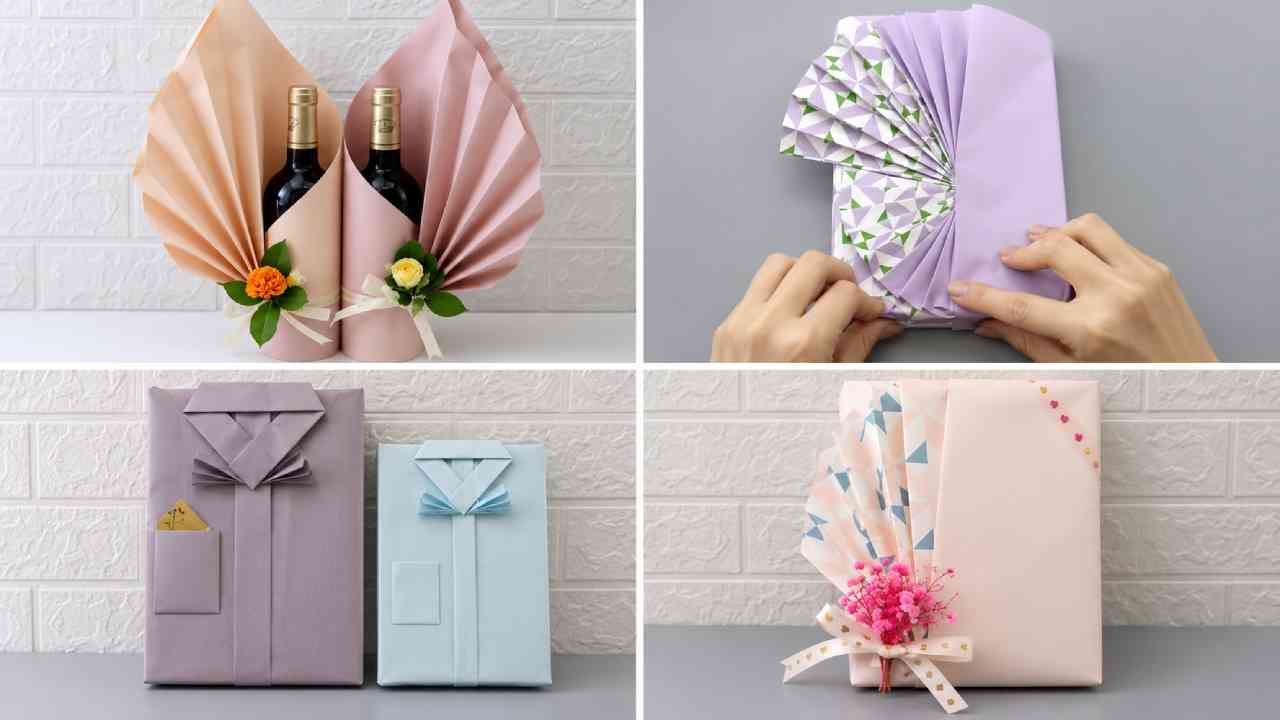
Mayumiotero – A thoughtful present can create happiness before the recipient even discovers what is inside. That experience often begins with gift wrapping. A carefully wrapped package shows attention, creativity, and personal effort. Moreover, the outside can communicate the mood of the gift itself. Soft paper and a simple ribbon may create an elegant feeling. Meanwhile, bright patterns can make a present feel playful and energetic. The most memorable packages rarely depend on expensive materials. Instead, small details often make the biggest difference. A handwritten tag, folded ribbon, or tiny dried flower can transform plain paper into something distinctive. Because of this, wrapping has become more than a practical step before giving a present. It can become part of the gift itself. In a creative lifestyle, that idea feels especially relevant. Everyday objects gain more meaning when people slow down and give attention to how they present them.
Read Also: Microsoft Launches WinUI Gallery 3.0, What Could It Mean for Windows 11?
Simple Materials Can Create Surprisingly Beautiful Results
Beautiful gift wrapping does not require a drawer filled with professional craft supplies. In fact, simple materials often produce the most attractive results. Kraft paper, plain white paper, twine, fabric ribbon, and recycled boxes provide an excellent starting point. From there, creativity can shape the final appearance. For example, brown paper paired with a black ribbon creates a modern look. A sprig of rosemary can then add natural texture. Alternatively, colorful paper and contrasting string can produce a cheerful design. The key is balance rather than decoration overload. Too many elements can compete for attention and make the package look busy. Therefore, choosing two or three strong details usually works better. Texture also matters. Combining smooth paper with soft fabric or rough twine creates visual depth. Ultimately, good wrapping comes from thoughtful composition. The materials may be inexpensive, yet the finished package can still feel carefully designed and personal.
Color Choices Can Completely Change a Present’s Character
Color plays a major role in how people experience a wrapped present. Neutral shades such as cream, beige, white, and soft gray often create a calm and refined appearance. In contrast, red, orange, cobalt, or bright green can bring energy to the package. However, choosing attractive colors does not mean using as many shades as possible. A limited palette often creates stronger visual harmony. For instance, cream paper with forest-green ribbon feels natural and sophisticated. Black paper with a silver accent can appear modern and dramatic. Meanwhile, pastel combinations create a softer mood for personal celebrations. Seasonal inspiration can also guide color choices without making the design predictable. Instead of using obvious holiday patterns, people can select subtle colors associated with the occasion. This approach makes gift wrapping feel more contemporary. More importantly, color can reflect the recipient’s personality. That personal connection turns visual styling into another thoughtful part of the giving experience.
Natural Details Bring Warmth to Modern Gift Wrapping
Nature provides some of the most beautiful decorations for creative packaging. Dried flowers, small leaves, herbs, pinecones, and thin branches can add texture without overwhelming the design. These details work particularly well with neutral paper because their natural shapes become the main visual feature. For example, a small dried flower placed beneath a ribbon creates an elegant focal point. Similarly, rosemary can add both color and subtle fragrance. However, natural decorations should remain simple and secure. Fragile pieces may break during transportation, so smaller elements usually work best. Artificial botanical pieces can provide a practical alternative when durability matters. Furthermore, nature-inspired wrapping can change with the seasons. Dried flowers suit soft spring designs, while evergreen branches create a winter mood. Autumn leaves can bring warm colors to seasonal packages. As a result, botanical details allow each present to feel connected to a specific moment while maintaining a handcrafted appearance.
Fabric Wrapping Adds Beauty That Can Be Used Again
Fabric offers another creative approach to gift wrapping. Instead of throwing the wrapping away after opening the present, the recipient can reuse the cloth for another purpose. This idea has strong connections with the Japanese tradition of furoshiki, which uses square cloths to wrap and carry objects. For modern creative lifestyles, the concept offers both visual appeal and practicality. Cotton, linen, scarves, and decorative fabric can work depending on the gift’s shape. Moreover, fabric naturally creates soft folds that look different from traditional paper packaging. A simple knot can become the main decorative feature, reducing the need for tape or elaborate accessories. Pattern choice also changes the personality of the package. Minimal fabric creates a refined appearance, while colorful prints make the presentation more expressive. Most importantly, reusable wrapping extends the life of the material. Therefore, the package does not have to become waste immediately after the celebration ends.
Handmade Details Turn Packaging Into Something Unique
Small handmade elements can transform ordinary gift wrapping into something impossible to reproduce exactly. Handwritten cards are perhaps the easiest example. Even a short message adds personality because it comes directly from the giver. However, there are many other possibilities. People can paint simple patterns onto plain paper, create custom stamps, draw small illustrations, or make decorative paper tags. Wax seals can provide a classic touch, while handmade paper ornaments create a more playful style. Importantly, perfection is not necessary. Slight variations often make handcrafted decorations more appealing because they show the human process behind them. This is where creative wrapping differs from standardized store packaging. A professionally printed box may look flawless, but a handmade package carries visible effort. Consequently, the recipient receives two experiences at once. There is the present itself, and there is also the personal creative work surrounding it. That combination can make even a modest gift feel meaningful.
Read Also: 53 ChatGPT User Images Exposed Through Unlisted Links
Sustainable Wrapping Encourages Creativity With Everyday Materials
Creative packaging can also encourage people to reconsider materials they already have. Instead of buying new paper for every occasion, old maps, newspapers, paper bags, fabric scraps, and reusable boxes can become useful design materials. The challenge is making them look intentional rather than improvised. Fortunately, careful styling can achieve that effect. A recycled paper bag can be opened flat and turned into neutral wrapping paper. Then, ribbon or twine can add structure. Old maps can create colorful packaging with a travel-inspired personality. Likewise, leftover fabric can become reusable wrapping for smaller presents. This approach does not mean every material is automatically sustainable. Factors such as production, coatings, adhesives, and reuse still matter. Nevertheless, extending the life of materials can reduce unnecessary consumption. More importantly, working with what is already available encourages experimentation. Instead of following a fixed template, people begin seeing ordinary objects as potential creative resources.
Different Personalities Can Inspire Different Wrapping Styles
One of the most enjoyable aspects of gift wrapping is adapting the design to the recipient. Someone who loves minimal interiors may appreciate plain paper, clean folds, and a narrow ribbon. Meanwhile, a person with an expressive style might enjoy bold colors, layered textures, and playful decorations. Vintage enthusiasts could receive packages featuring muted paper, lace, or old-fashioned labels. Nature lovers may prefer botanical details and earthy tones. Therefore, wrapping can become another way of showing that the giver understands the recipient. The occasion matters too. Romantic gifts may benefit from softer details, while birthday presents can embrace brighter combinations. However, personalization does not require complicated techniques. Sometimes, choosing a favorite color is enough to create a connection. Adding a handwritten reference to a shared memory can make the package even more meaningful. Ultimately, thoughtful design works best when it reflects a real relationship rather than simply following a visual trend.
Gift Wrapping Turns the Act of Giving Into a Creative Ritual
The strongest appeal of gift wrapping may come from the process itself. Modern routines often encourage speed, convenience, and instant results. Wrapping a present by hand offers something different. It asks people to slow down, choose materials, arrange details, and think about another person. Therefore, the activity can become a small creative ritual rather than another task. There is satisfaction in folding paper neatly around an awkward box. There is also pleasure in finding the right ribbon or creating a tag from leftover cardstock. More importantly, these choices give ordinary materials emotional value. A simple package becomes connected to time, attention, and intention. That idea captures the spirit of creative lifestyle particularly well. Creativity does not always require a studio, expensive equipment, or advanced artistic skills. Sometimes, it appears in the smallest everyday moments. Gift wrapping proves that even preparing a present can become an opportunity to make something personal, beautiful, and memorable.