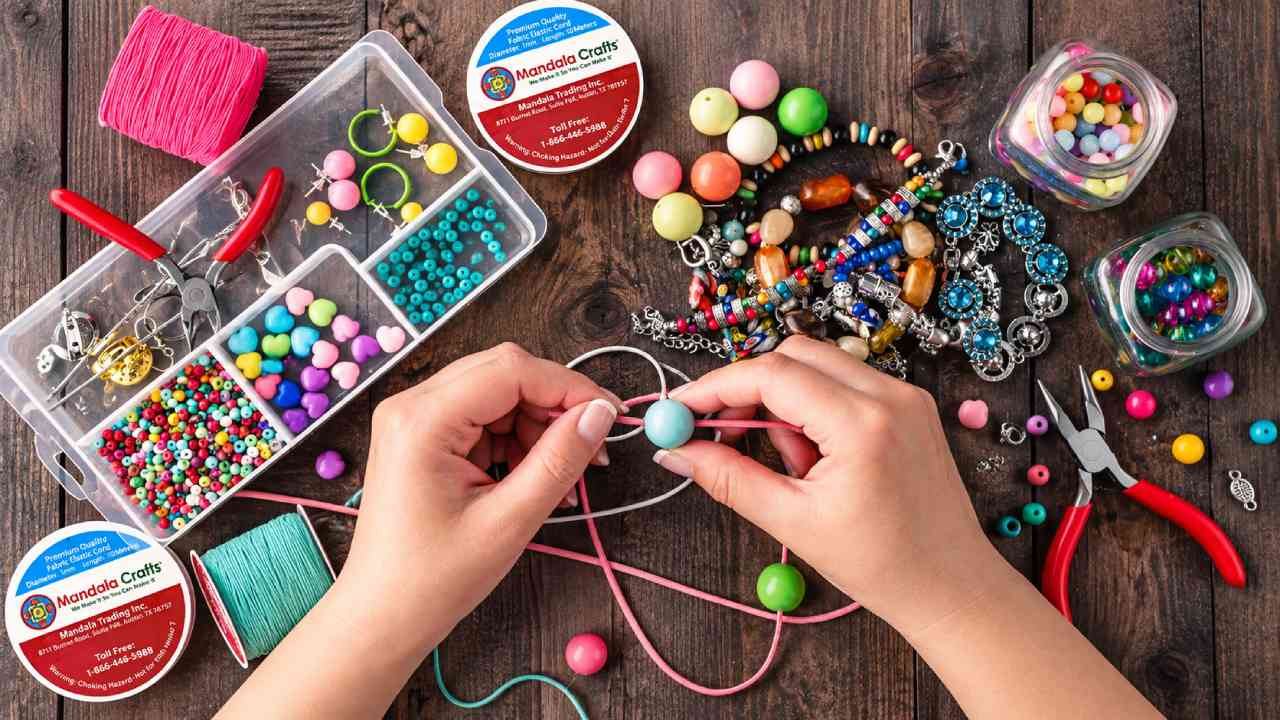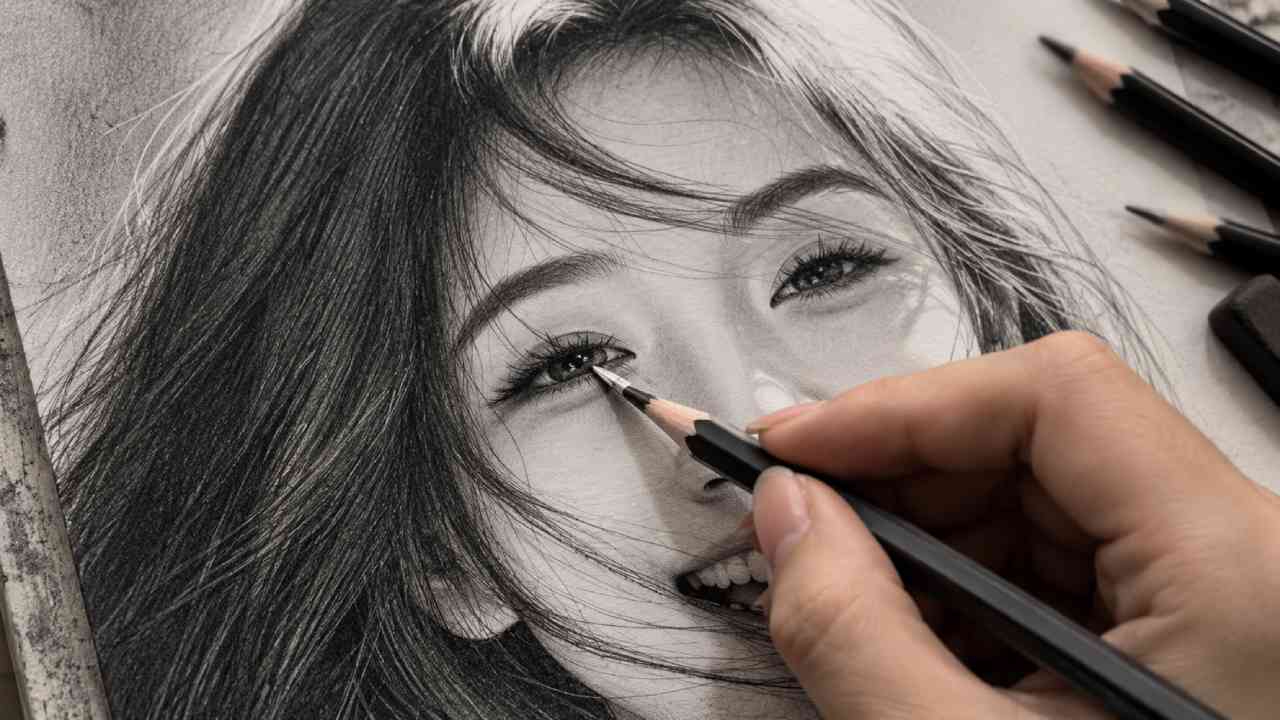
Mayumiotero – Daily Sketching is becoming more than a traditional art practice. Today, many people use a sketchbook to capture small moments, explore ideas, and enjoy a slower creative routine. A simple drawing can begin with a coffee cup, a window view, or an interesting object on a desk. Therefore, the process feels accessible even for people without formal art training. Social media has also helped this habit gain attention. Artists and casual creators often share unfinished pages instead of polished illustrations. As a result, imperfect lines now feel more personal and authentic. This shift fits naturally into the modern creative lifestyle, where the experience of making something can matter as much as the finished result. Instead of chasing perfection, sketching encourages curiosity. That simple approach makes it easier to pick up a pencil, observe the surroundings, and create something meaningful from an ordinary moment.
Read Also: Cheap Android Phones Found With Preinstalled Malware, Raising Serious Security Concerns
Why a Sketchbook Feels Refreshing in a Digital World
Screens dominate much of everyday life. People work, communicate, shop, read, and relax through digital devices. Because of that, opening a physical sketchbook can offer a refreshing change of pace. The experience is simple: paper, a pencil, and a few quiet minutes. There are no notifications competing for attention. Moreover, the movement of a pencil across paper creates a direct connection between observation and action. A person can follow an idea without switching apps or adjusting complicated settings. Digital drawing remains valuable, of course, especially for professional workflows. However, traditional sketching offers a different experience. Mistakes stay visible, lines overlap, and every page develops its own character. Daily Sketching can therefore become a small analog ritual within a highly connected lifestyle. For many creators, that contrast is precisely what makes the practice appealing. It brings creativity back to a basic and surprisingly satisfying form.
Small Daily Drawings Can Build Creative Confidence
Many beginners hesitate to draw because they believe every picture needs to look impressive. Daily Sketching challenges that expectation. Instead of producing a masterpiece, the goal can simply be to draw something regularly. For example, someone might sketch a shoe today, a plant tomorrow, and a street corner later in the week. Each subject introduces a different visual problem without creating unnecessary pressure. Over time, repeated observation can make shapes, proportions, shadows, and textures easier to recognize. More importantly, regular practice can reduce the fear of making mistakes. A messy page no longer feels like failure because another blank page is waiting. Therefore, progress becomes connected to consistency rather than perfection. Creative confidence often grows quietly through this process. The drawings may still contain imperfect lines, yet the creator becomes more willing to experiment. That willingness can eventually influence illustration, design, photography, fashion, and other creative interests.
Social Media Is Changing How People View Sketching
Creative platforms have changed how people discover visual hobbies. Previously, finished artwork often received most of the attention. Now, audiences also enjoy seeing sketchbooks, rough concepts, drawing processes, and behind-the-scenes experiments. Consequently, Daily Sketching fits naturally into this more relaxed form of creative sharing. A page filled with loose drawings can reveal personality in ways that a polished image sometimes cannot. Viewers see corrections, spontaneous notes, unusual compositions, and unfinished ideas. Meanwhile, creators can document their progress without waiting for a major project to be completed. This approach also makes art feel more approachable. Someone watching a short sketching video may realize that creativity does not require an expensive studio or advanced equipment. Nevertheless, social media should remain a source of inspiration rather than pressure. Constant comparison can weaken the enjoyment of drawing. The healthiest trend focuses on personal exploration while allowing online communities to provide ideas, encouragement, and creative connections.
Urban Sketching Turns Everyday Places Into Visual Stories
A train station, neighborhood café, old building, or quiet park can become interesting when viewed through a sketchbook. Urban sketching has helped expand Daily Sketching beyond the desk and into everyday environments. Instead of photographing a place and immediately moving on, a sketcher usually stays longer and studies what is happening. They notice windows, signs, people, shadows, vehicles, and small architectural details. Consequently, the finished page becomes more than a visual record. It can preserve the experience of being there. A slightly crooked building or hurried figure may even strengthen the character of the drawing. This practice also works well during travel. A small sketchbook takes little space and can become a personal visual diary of restaurants, streets, landscapes, and unexpected discoveries. Unlike a photograph, every sketch contains decisions made by its creator. Those choices turn an ordinary location into a personal interpretation and give everyday exploration a stronger creative dimension.
Daily Sketching Connects Naturally With Journaling
Sketching and journaling make an effective creative combination because both practices record personal experiences. A traditional journal relies mainly on words, while a visual journal can mix drawings, short notes, colors, tickets, labels, and other small details. Daily Sketching adds another layer by encouraging people to illustrate what caught their attention that day. For instance, a journal page might feature breakfast, a new pair of shoes, a flower from a walk, or the view from a bus window. None of these subjects needs to appear extraordinary. In fact, ordinary details often become the most interesting memories later. Additionally, combining writing and drawing removes rigid rules about what a journal should look like. Some pages may contain detailed illustrations, while others include only a few loose lines. This flexibility supports a sustainable creative habit. Instead of producing content for an audience, the sketchbook becomes a private space for observation, experimentation, and personal storytelling.
Read Also: Michelangelus Brings Michelangelo’s Legacy Into Digital Typography
Simple Tools Make the Habit Easy to Start
One reason Daily Sketching works well as a lifestyle trend is its low barrier to entry. Beginners do not need an elaborate collection of professional supplies. A pencil and an affordable sketchbook can provide everything required to begin. Later, creators may experiment with fineliners, colored pencils, markers, watercolor, or digital tablets. However, buying more tools does not automatically improve drawing skills. Regular practice usually matters far more. Therefore, keeping the setup simple can actually support consistency. A compact sketchbook can stay inside a backpack or handbag, making spontaneous drawing easier. Meanwhile, a favorite pencil can remove the hesitation that sometimes comes with choosing between too many materials. As confidence develops, new tools can introduce different textures and visual styles. Still, the core habit remains unchanged: observe something, put marks on a page, and continue exploring. This simplicity makes sketching practical for students, designers, travelers, professionals, and casual hobbyists alike.
Imperfect Lines Are Becoming Part of the Appeal
Modern creative culture has gradually become more accepting of visible imperfections. Handmade ceramics show irregular surfaces, analog photographs contain grain, and sketchbooks preserve construction lines. Similarly, Daily Sketching celebrates marks that do not always look controlled. This quality gives each drawing a sense of movement and personality. A perfectly straight digital line can look impressive, yet a hand-drawn line often reveals more about the person who created it. Therefore, many artists intentionally keep parts of their sketches loose rather than refining every detail. The approach can also make creative work feel less intimidating for beginners. When imperfections become part of the visual language, mistakes lose some of their power. Of course, technical skills still matter when someone wants to improve. Perspective, proportion, composition, and value remain useful foundations. However, technical knowledge does not need to erase individuality. The strongest sketches often combine observation with distinctive marks that clearly belong to their creator.
A Few Minutes of Drawing Can Become a Lasting Ritual
A sustainable creative habit does not need to consume an entire evening. Even ten or fifteen minutes can provide enough time to study an object and make a small drawing. That manageable commitment helps Daily Sketching fit around work, study, travel, and other responsibilities. More importantly, short sessions reduce the pressure to create something remarkable every day. One page may contain a detailed portrait, while another might show only a spoon or a pair of glasses. Both still contribute to the practice. Over several months, those pages can reveal changes in observation, confidence, and personal style. They also form a visual archive of ordinary experiences that might otherwise disappear from memory. Ultimately, this is why sketching works so naturally within a creative lifestyle. It does not demand perfection or constant productivity. Instead, it invites people to notice more, experiment freely, and preserve small pieces of everyday life through their own visual language.