Mayumiotero – Garden Design is more than arranging flowers, trees, and decorative stones. It is a thoughtful process that connects beauty with daily function. A successful garden should look inviting, yet it should also support the way people live. For example, one family may need a safe play area. Another may prefer a quiet corner for reading. Therefore, the first step is to understand the purpose of the space. In my view, this is where many garden projects either succeed or fail. A beautiful layout can still feel uncomfortable when it ignores movement, shade, privacy, or maintenance. Good planning creates balance from the start. It also helps homeowners avoid costly changes later. As a result, the garden becomes more than decoration. It becomes a practical extension of the home.
Read Also: I Tried the New ChatGPT Voice and It Felt Like Talking to a Real Person
Understanding the Character of the Site
Every outdoor area has its own conditions. Sunlight, wind, soil, drainage, and surrounding buildings all influence the final result. Therefore, effective Garden Design starts with observation. A shaded corner may suit ferns and moss, while a sunny section may support herbs, grasses, or flowering plants. In addition, drainage patterns should be checked before adding pathways or seating. Water that collects after rain can damage plants and hard surfaces. The direction of the wind also matters, especially in open yards. A row of shrubs can reduce strong airflow and create a more comfortable space. Meanwhile, nearby walls may reflect heat or create deep shade. By studying these details, the designer can work with the site instead of fighting against it. This approach usually produces a healthier and more natural garden.
Balance Between Hardscape and Softscape
A well-designed garden combines hardscape and softscape in a balanced way. Hardscape includes patios, paths, fences, pergolas, walls, and water features. Softscape includes trees, shrubs, grass, flowers, and ground cover. Both are essential. However, too much paving can make the area feel cold and rigid. On the other hand, too many plants may create a crowded and difficult space. Therefore, each element should support the others. A stone path can guide movement through planting beds. A wooden deck can create a clear place for dining. Likewise, a row of shrubs can soften the edge of a wall. In strong Garden Design, structure and nature work together. The result feels organized without looking artificial.
Choosing the Right Garden Style
Garden style helps create a clear visual identity. Minimalist gardens use clean lines, limited colors, and simple plant choices. Japanese gardens focus on balance, stone, water, and quiet spaces. Tropical gardens use large leaves, layered planting, and rich textures. Meanwhile, cottage gardens feel softer and more informal. They often include mixed flowers, curved paths, and natural growth. The right style depends on the architecture, climate, and personal taste. However, consistency is important. Mixing too many styles can make the space feel confused. Therefore, homeowners should choose a main direction first. Small contrasting details can still be added later. In my opinion, the best garden style is not always the most fashionable one. It is the style that fits the property and remains enjoyable over time.
Plant Selection Shapes the Whole Experience
Plants define the mood, color, texture, and seasonal rhythm of a garden. Therefore, they should be selected with care. Native or climate-suitable species often perform better because they adapt to local conditions. They may also need less water and fewer chemicals. Trees can provide shade and structure. Shrubs can create privacy and form. Flowers add color, while ground cover helps protect the soil. In addition, plant height should be planned in layers. Taller plants usually belong at the back or center. Medium plants create transition, while low plants soften edges. This layered method adds depth and makes the garden feel fuller. However, mature size must also be considered. A small tree may grow much wider than expected. Good Garden Design plans for the future, not only the first planting day.
Movement and Pathways Improve Function
A garden should be easy to move through. Clear pathways connect entrances, seating areas, lawns, and planting zones. They also protect plants from foot traffic. Straight paths often create a formal and modern feeling. Curved paths feel softer and more natural. The choice should match the overall concept. Path width is also important. A narrow route may work for a quiet side garden. However, a main path should allow two people to walk comfortably. Materials can include stone, gravel, brick, concrete, or timber. Each option has a different cost, texture, and maintenance level. In addition, path surfaces should remain safe during rain. Practical Garden Design considers both appearance and comfort. A beautiful path loses value when it becomes slippery or difficult to use.
Outdoor Living Areas Add Everyday Value
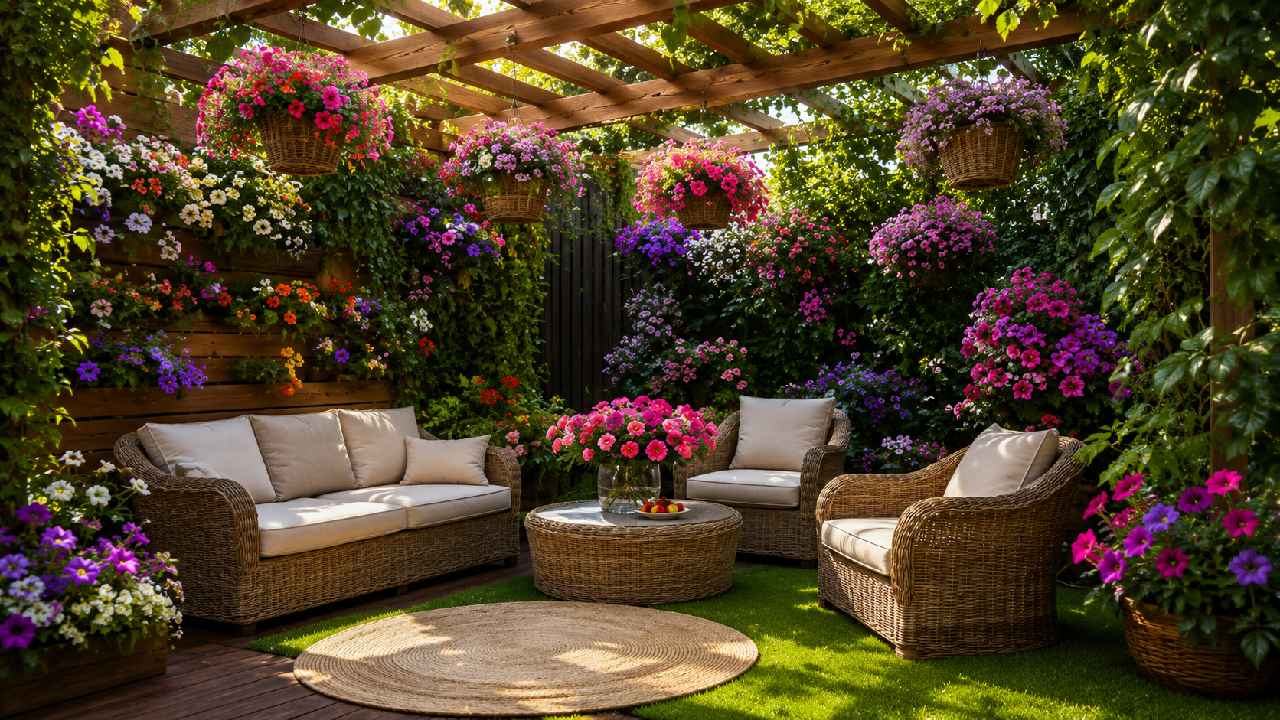
Modern gardens often function as outdoor rooms. A patio may become a dining area. A shaded corner can serve as a reading space. Meanwhile, a fire pit may create a place for evening gatherings. These areas increase the usefulness of the property. However, location matters. Seating should feel comfortable, protected, and connected to the house. Shade is also essential in warm climates. Pergolas, trees, umbrellas, or covered structures can reduce heat. In addition, furniture should match the size of the space. Large pieces can overwhelm a compact garden. Small furniture may look lost in a broad yard. Therefore, scale should guide every choice. When Garden Design supports real activities, the outdoor area becomes part of daily life instead of a space that is only admired from indoors.
Lighting Extends the Use of the Garden
Garden lighting improves safety, atmosphere, and visual impact. Path lights help guide movement at night. Soft lights near seating create a warm mood. Uplighting can highlight trees, walls, or sculptures. However, lighting should not be too bright. Strong glare can make the garden feel harsh and may disturb neighbors or wildlife. Therefore, low-level lighting is often more effective. Solar lights are easy to install, while wired systems usually provide stronger and more reliable results. Timers and motion sensors can also reduce energy use. In professional Garden Design, light is treated as another layer of the landscape. It reveals shapes and textures that disappear after sunset. As a result, the garden remains attractive and useful in the evening.
Water Features Create Calm and Focus
Water can transform the atmosphere of a garden. A small fountain adds sound and movement. A pond can support aquatic plants and wildlife. Even a narrow water channel can become a strong visual feature. However, water features require careful planning. They need suitable placement, safe access, and regular maintenance. Standing water may also attract insects when it is not properly managed. Therefore, circulation and cleaning systems are important. In a small yard, a compact fountain may work better than a large pond. In a broader landscape, water can create a central focal point. When used correctly, it adds calm and depth. Still, water should support the overall Garden Design rather than dominate it.
Sustainable Garden Design Reduces Waste
Sustainability has become an important part of modern landscaping. A sustainable garden uses resources carefully and supports local ecology. Native plants often need less water and provide food for birds or insects. Mulch helps reduce evaporation and improve soil health. Rainwater can also be collected for irrigation. In addition, permeable surfaces allow water to enter the ground instead of flowing into drains. Composting turns kitchen and garden waste into useful soil material. These choices may seem small, yet they create long-term benefits. They also reduce maintenance costs. Smart Garden Design should not only look good today. It should remain healthy, efficient, and adaptable in the future.
Read Also: Why More Families Are Choosing Homes Without Television Today
Small Gardens Need Smart Planning
Limited space does not prevent good design. In fact, small gardens often benefit the most from careful planning. Vertical planting can use walls and fences. Built-in seating can save floor area. Mirrors may create a sense of depth, although they should be positioned safely. Light colors also make tight spaces feel more open. Furthermore, too many plant varieties can create visual clutter. A smaller selection often looks stronger and more organized. Multifunctional elements are especially useful. For example, a bench may include hidden storage. A raised planter can also act as a boundary. Compact Garden Design depends on discipline. Every feature should have a clear reason to exist.
Maintenance Should Be Part of the Plan
A garden may look perfect when it is newly completed. However, its long-term success depends on maintenance. Plants need pruning, watering, feeding, and occasional replacement. Paths may require cleaning or repair. Lawns need regular care. Therefore, maintenance level should match the owner’s schedule and budget. Busy homeowners may prefer slow-growing shrubs, native plants, and smaller lawn areas. Others may enjoy frequent gardening and seasonal changes. Automatic irrigation can save time, but it still requires inspection. Good Garden Design is realistic. It respects the amount of care the garden can receive. This approach helps the space remain attractive instead of becoming difficult to manage.
Garden Design Connects People with Nature
The strongest gardens create an emotional connection. They offer shade, scent, texture, movement, and sound. A person may remember the fragrance of herbs near a path. Another may enjoy watching birds from a quiet seat. These experiences give the garden meaning. In addition, green spaces can support relaxation and improve the feeling of privacy. They can also soften the hard edges of modern buildings. For that reason, Garden Design should not focus only on visual trends. It should create spaces that people want to use and remember. When beauty, function, and nature work together, the garden becomes a living part of the home.