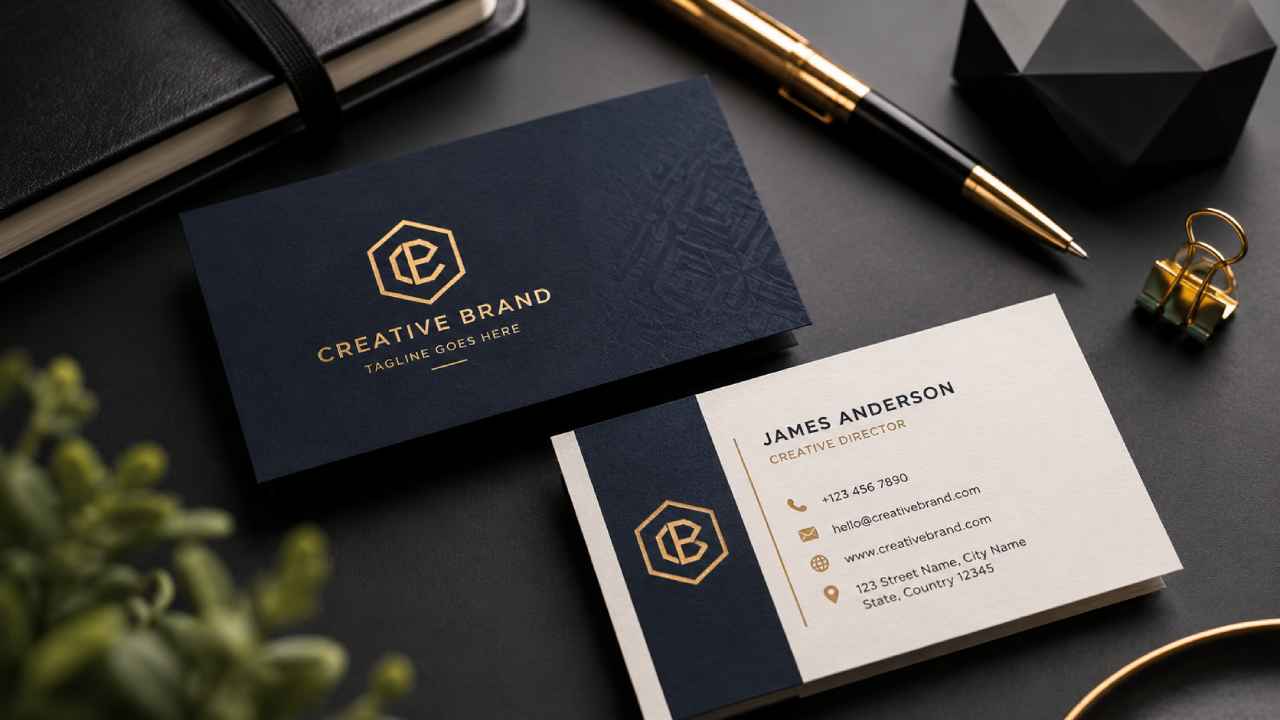
Mayumiotero – A business card may be small, yet its impact can be surprisingly significant. A thoughtful Business Card Design communicates professionalism, strengthens brand recognition, and helps create lasting first impressions. Although digital networking has become increasingly common, physical business cards continue to play an important role in meetings, conferences, and professional events. They provide an immediate and personal way to exchange contact information while reinforcing a company’s visual identity. Moreover, a well-crafted business card demonstrates attention to detail, which often reflects positively on the individual or organization behind it. In today’s competitive business environment, investing in a carefully designed card remains a practical and effective branding decision.
Read Also: AI Adoption Accelerates Cloud Security Risks as Businesses Face Growing Digital Challenges
Why Business Cards Continue to Matter in the Digital Age
Technology has transformed how professionals communicate, yet business cards still offer unique advantages. Unlike digital contact exchanges that may be forgotten among hundreds of phone contacts, a printed card creates a tangible reminder of a conversation. Furthermore, handing someone a business card encourages direct interaction and often makes networking feel more personal. Many professionals appreciate having something they can keep, review later, and easily share with colleagues. Consequently, business cards remain valuable across industries ranging from finance and real estate to creative services and consulting. Their continued relevance proves that traditional networking tools can successfully complement modern digital communication.
Strong Design Reflects Professional Credibility
An effective Business Card Design represents much more than contact information. Every design choice, including typography, colors, spacing, and logo placement, contributes to the overall perception of the brand. Clean layouts communicate confidence, while balanced proportions improve readability. Additionally, consistent branding helps people recognize a company across multiple marketing channels. Choosing high-quality materials also influences how recipients perceive professionalism. A premium card often creates a stronger impression than one printed on thin or poorly finished paper. Therefore, thoughtful design becomes an investment in reputation rather than simply a printing expense.
Essential Elements Every Business Card Should Include
Every successful business card begins with clear and relevant information. The individual’s name, professional title, company name, phone number, email address, and website should appear prominently without overcrowding the layout. In many cases, including a company logo strengthens brand recognition and improves visual consistency. Meanwhile, QR codes have become increasingly popular because they allow recipients to access digital portfolios, online stores, or contact pages instantly. However, simplicity remains essential. Providing only the most valuable information makes the card easier to read while encouraging meaningful follow-up after an introduction.
Typography and Color Shape Visual Identity
Typography plays a critical role in making business cards both attractive and functional. Readable fonts ensure important information remains accessible even on a compact layout. Likewise, font hierarchy guides the reader naturally from the company name to contact details. Color selection should also align with the brand’s personality. Corporate organizations often choose neutral palettes, while creative businesses may introduce brighter colors that express innovation. Nevertheless, maintaining visual balance is always more effective than adding excessive decorative elements. As a result, thoughtful typography and carefully selected colors help create a memorable and professional identity.
Premium Materials Add Value Beyond Appearance
Paper quality significantly influences how people perceive a business card. Thick cardstock immediately communicates durability and attention to detail, while premium finishes elevate the overall presentation. Matte lamination offers a modern appearance, whereas soft-touch coatings create a luxurious feel. Foil stamping, embossing, and spot UV coating can highlight logos or names without overwhelming the design. At the same time, environmentally conscious businesses increasingly choose recycled paper and sustainable printing methods. These material choices not only enhance visual appeal but also communicate company values. Consequently, the physical experience of holding the card becomes part of the overall brand impression.
Read Also: How to Make Scandinavian Style Wall Decorations for an Aesthetic Minimalist Home
Modern Trends Are Transforming Business Card Design
Today’s Business Card Design trends focus on simplicity, functionality, and seamless digital integration. Minimalist layouts continue to dominate because they present information clearly and professionally. Meanwhile, QR codes connect printed materials with digital experiences, allowing instant access to websites, portfolios, appointment scheduling, or social media profiles. Sustainable production methods have also become increasingly important as businesses seek environmentally responsible branding solutions. Some designers experiment with transparent materials, rounded corners, or die-cut shapes to create distinctive cards. However, successful designs always prioritize usability before visual novelty, ensuring recipients can quickly understand and remember the information presented.
Common Design Mistakes to Avoid
Even attractive business cards can lose effectiveness if basic design principles are overlooked. Overcrowding the layout with excessive text often reduces readability and distracts from essential information. Similarly, using too many fonts or inconsistent colors may weaken brand consistency. Low-resolution logos, poor alignment, and insufficient contrast can also diminish professionalism. Additionally, neglecting white space makes the design appear cluttered despite having valuable content. Reviewing the layout carefully before printing helps eliminate these issues. Therefore, attention to detail during the design process often determines whether a business card leaves a positive or forgettable impression.
Creating a Lasting First Impression Through Smart Design
A business card remains one of the simplest yet most effective marketing tools available to professionals. A carefully planned Business Card Design communicates credibility, reinforces brand identity, and encourages future connections long after an initial meeting. By combining clear information, balanced layouts, quality materials, and consistent branding, businesses can create cards that stand out for the right reasons. Although digital communication will continue to evolve, the value of a thoughtfully designed business card remains remarkably strong. In many situations, that small piece of printed material becomes the first step toward meaningful professional relationships and long-term business opportunities.